

Free written scope consultation - allowances, timeline, and change-order rules on paper before a single trade is scheduled
Grohe Home Additions & ADU: The Austin Owner’s Guide
Grohe home additions and ADU projects in Austin typically run $45,000 – $130,000 installed, depending on square footage, foundation work, and whether you’re adding a bathroom, kitchen, or full living space. We stock and install Grohe fixtures and hardware across these projects, and we can match most current Grohe lines the same week you call. The common trigger point for Austin homeowners: a Grohe faucet, shower valve, or mixing valve that was fine for years suddenly drips, loses pressure, or stops holding temperature, right when the addition is finally underway.
This page is the resource we wish every Austin homeowner had when they’re standing in a half-finished ADU trying to figure out whether a Grohe part is salvageable, replaceable, or worth upgrading before the drywall goes up. We’ll cover which Grohe models this applies to, what fails first in Texas water conditions, what replacement actually costs in Austin, and when you should call a pro instead of grabbing a wrench.
Key Takeaways
- Grohe home addition and ADU plumbing work in Austin runs $45,000 – $130,000 installed, with fixture replacement as a much smaller line item inside that scope.
- Most Grohe failures in Austin homes are cartridge or seal failures from hard water mineral buildup, not the fixture body itself.
- We’re an independent Austin contractor, not affiliated with Grohe, but we stock common Grohe cartridges, valves, and trim kits on the truck.
- Every job gets a written price before work starts, and the 365-Day Done Right Promise covers the install for a full year.
Which Grohe Models This Applies To
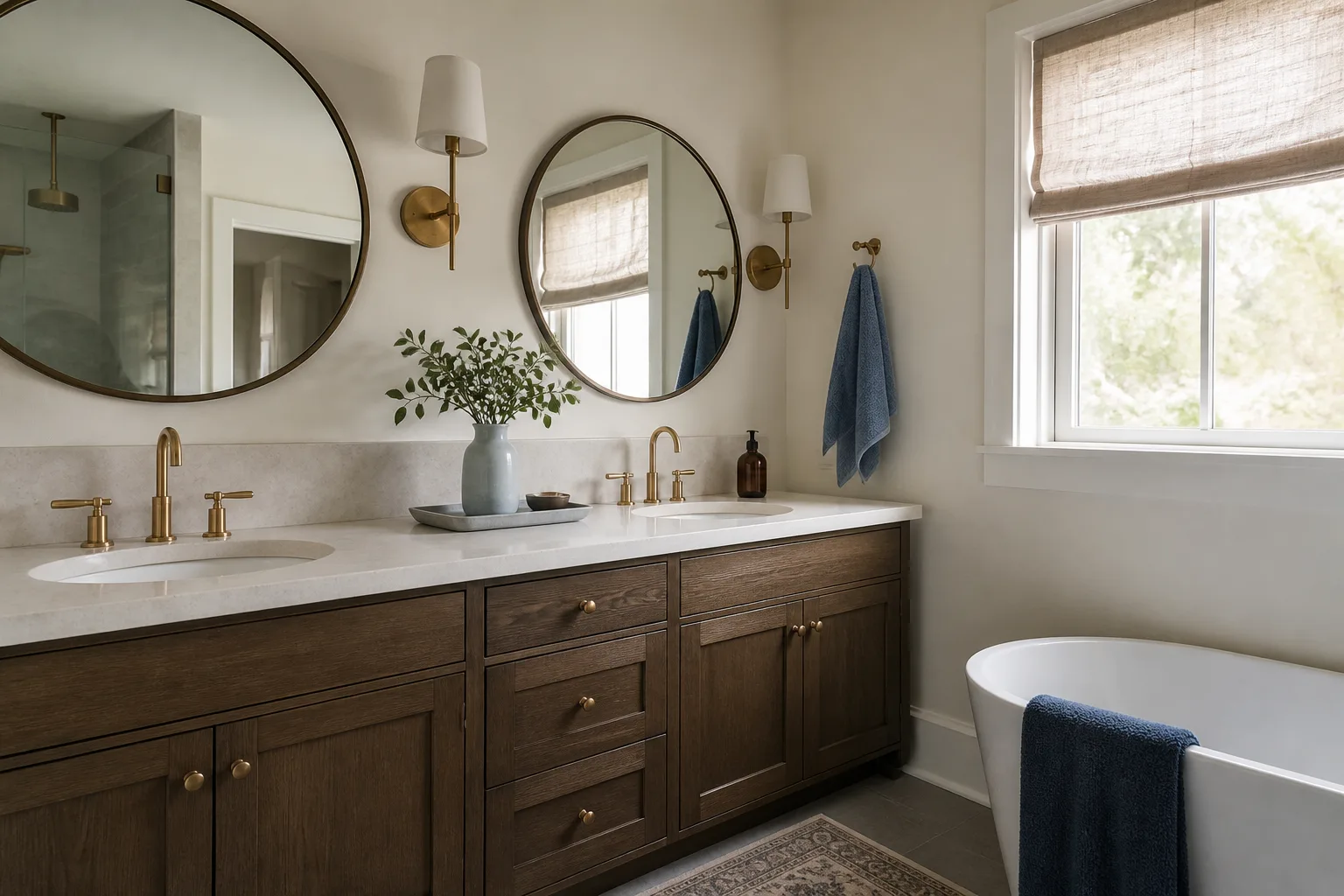
Grohe splits their North American line into a few families that show up constantly in Austin additions and ADUs: the Eurosmart and Eurocube lines for budget-conscious builds, the Concetto and Essence lines for mid-range remodels, and the Grohtherm and SmartControl valve systems for showers. If your fixture has a Grohe logo stamped on the escutcheon plate or the valve body, the part inside is almost always one of three things: a ceramic disc cartridge, a thermostatic mixing cartridge, or a diverter assembly. All three are serviceable without tearing out tile, which is the good news.
Here’s the gotcha every Austin homeowner should know: Grohe cartridges are not universal across their lines. A Grohtherm 2000 cartridge will not seat in a Eurosmart 3000 valve body, even though both are “Grohe thermostatic.” The part number is printed on the cartridge stem or the plastic housing, and you need that number, not the faucet model name, when sourcing a replacement. OEM Grohe cartridges are worth the extra cost over aftermarket for thermostatic valves, because the wax element inside is calibrated to Grohe’s specific temperature curve. Aftermarket ceramic disc cartridges are usually fine for basic two-handle faucets. Luca Romano will tell you the same thing: match the number, not the marketing name.
For ADU and addition work specifically, we see a lot of Grohe Concetto and Essence fixtures going into new builds because they’re spec’d by architects and available through our supplier network. Those lines use a standard 35mm valve body, which means the rough-in work is the same as any major brand. If you’re mid-construction and wondering whether your plumber can swap a Grohe valve for a Moen or Kohler without redoing the rough-in, the answer is usually yes on the 35mm bodies, but you’ll be paying for the new trim kit plus the valve, and you might as well get the Grohe part since the rough-in is already there.
Styles & brands we work with







Signs Your Grohe Home Additions & ADU Is Failing
- Drip that won’t stop, even with the handle cranked tight. This is almost always a worn ceramic disc cartridge. Austin’s hard water etches the disc surface over time, and the seal can’t fully close. Replacing the cartridge fixes it in under an hour in most cases.
- Temperature swings in the shower when someone flushes a toilet. If your Grohtherm valve can’t hold temperature, the thermostatic element is going. This isn’t a pressure problem, it’s a wax element that’s stopped reacting. The fix is a replacement thermostatic cartridge, not a new valve body.
- Handle turns hard, or feels gritty when you rotate it. Mineral deposits from Austin’s limestone-heavy water have worked their way into the cartridge housing. You can sometimes soak the cartridge in vinegar to buy a month or two, but once the ceramic discs are scored, it’s done.
- Water pressure drops only at one fixture, not the whole house. That’s the aerator or the diverter gunked up. On Grohe pull-out faucets, the diverter is a small plastic cartridge inside the spout body and it’s a $20 part that takes fifteen minutes to swap.
- Water seeping from around the base of the spout or handle. The O-rings or the seal on the stem have hardened and shrunk. This one gets worse fast, and if it’s left dripping into an ADU cabinet base, you’ll be replacing the cabinet floor too.
See the difference
 Before
 After
After Before
 After
After Before
 After
AfterReplacement Cost & What’s Included
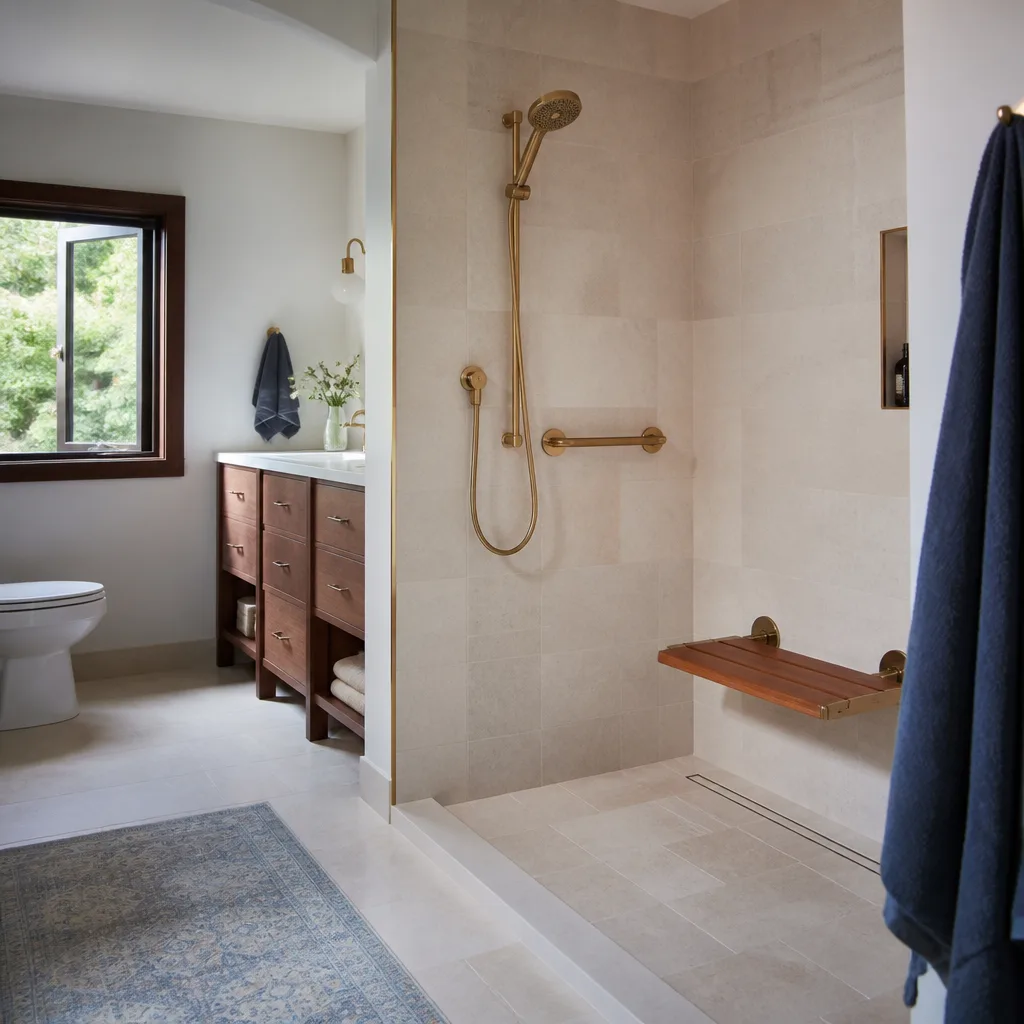
Full Grohe home addition and ADU construction in Austin runs $45,000 – $130,000 depending on whether you’re building out a single room or a full accessory dwelling unit with its own kitchen and bath. Within that scope, Grohe fixture replacement as a standalone repair is a much smaller line item: a cartridge swap typically runs $150 – $400 installed, a shower valve replacement runs $400 – $900, and a full fixture package for a new ADU bathroom, including Grohe faucets, shower trim, and valves, typically adds $1,200 – $3,500 to the plumbing budget.
Here’s what “installed” means with us, and it’s the same on a $300 cartridge job or a $130,000 addition: you get a written price before any work starts, the name and photo of the technician coming to your door, and an invoice that matches the approved number. No change orders, no surprises. The part is covered by the manufacturer’s warranty, and our labor is covered by the 365-Day Done Right Promise. If the repair fails within a year, we’re back out and we make it right. That’s the Relay Standard on every job, and it’s been that way since 2005.
DIY or Call Us?
Here’s the honest split. If you’ve got a dripping Grohe faucet and you know which shutoff valve controls that fixture, you can try soaking the cartridge in vinegar to clear the mineral buildup. That’s a Saturday-morning job, and worst case you’re out an hour and you call us anyway. What you should not do is open up a Grohtherm thermostatic valve or a SmartControl system and start pulling parts. Those valves sit under constant pressure, the cartridges are calibrated, and if you cross-thread the retaining nut or lose a small component, you’re looking at a much more expensive fix than the original service call. Same rule applies to any Grohe valve body behind finished tile: if you don’t know exactly which cartridge you’re holding, don’t guess.
If the fixture is in a brand-new ADU still under construction, call us before you call anybody else. We’re on plenty of Austin job sites already, we know the Grohe spec sheet, and we’ll tell you straight if the part can be matched or if the rough-in needs a change. Call (409) 834-4854 and we’ll talk you through it.
FAQs
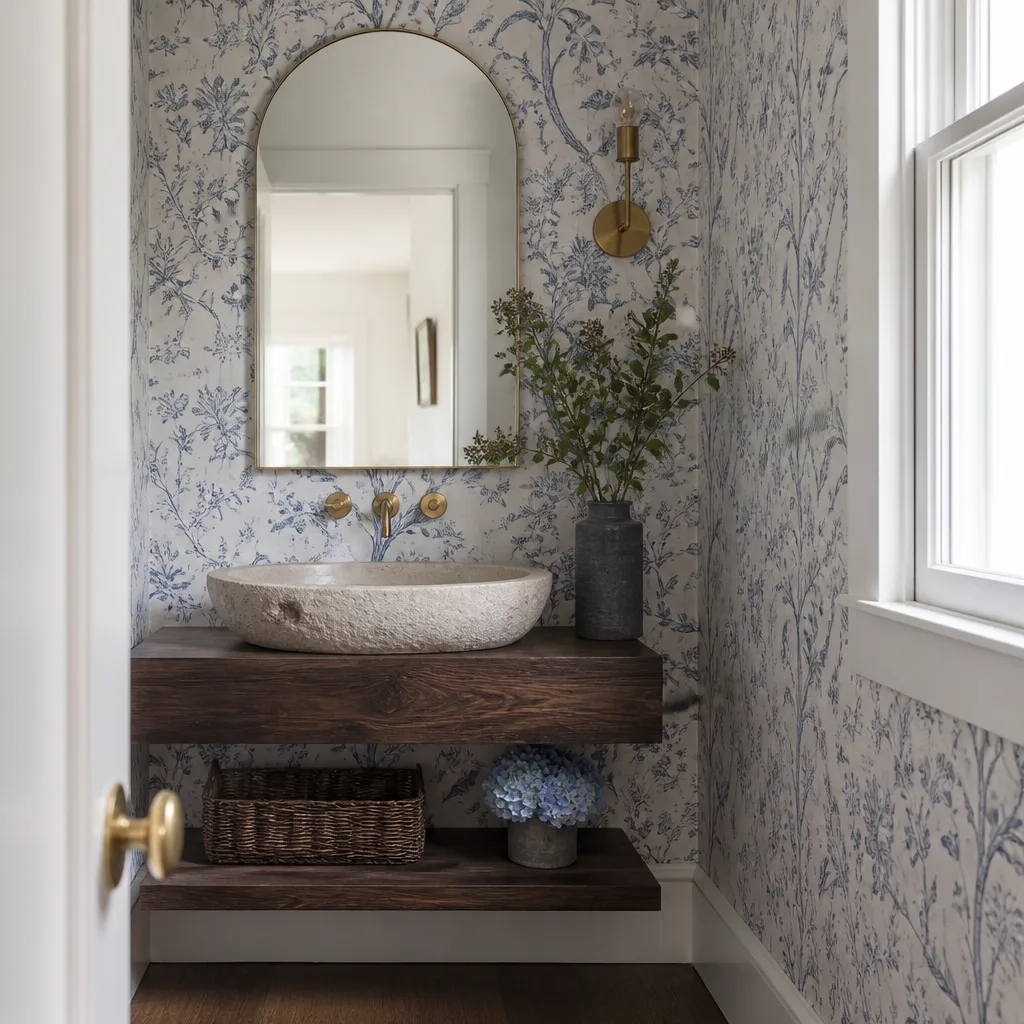
In Austin’s hard water, a Grohe ceramic disc cartridge typically lasts 8 – 15 years before the mineral etching starts causing drips or stiff operation. Thermostatic cartridges tend to go earlier, around 7 – 10 years, because the wax element degrades with constant temperature cycling. If you’re on a private well, expect the shorter end of that range. Call (409) 834-4854 if you’re seeing early failure, because sometimes the problem is a pressure imbalance, not the cartridge.
Most Grohe cartridges and diverters are replaceable, not repairable. You can clean mineral buildup off a cartridge as a temporary fix, but once the ceramic discs are scored or the thermostatic wax element is shot, cleaning won’t bring it back. The good news is replacement parts are available and the labor is straightforward for a trained tech.
A standard cartridge swap on a Grohe faucet or shower valve takes 45 minutes to 2 hours, depending on access. If the valve is behind tile with no service panel, we may need to open a small access point, which adds time. For new construction and ADU rough-in work, we price the fixture package as part of the plumbing scope and there’s no separate service call. Call (409) 834-4854 for a written estimate.
We stock the most common Grohe cartridges, aerators, diverters, and trim screws on our trucks for Austin service calls. If you need a less common part or a specific finish trim kit, we source it through our supplier network and usually have it in hand within a few days. We’ll confirm the exact part number with you before ordering, so you know what you’re paying for and why.
We carry parts for other brands we install regularly too, including KraftMaid cabinetry hardware, Cambria and Silestone surface care products, and a range of fixture lines beyond Grohe. If you’re mid-remodel and something else broke, ask us. If we don’t have it, we’ll tell you where to get it.
Measure twice, cut once, then we actually build the thing. If you’re dealing with a Grohe part that failed, or you’re planning a home addition or ADU in Austin and want fixtures that’ll last, call (409) 834-4854. Luca and the crew will get you a straight answer and a written price.
Written by Luca Romano, Owner, Sawyer Remodel Austin at Sawyer Remodel Austin, serving Austin and nearby areas.


