





Free written scope consultation - allowances, timeline, and change-order rules on paper before a single trade is scheduled
Atlas Home Additions & ADU: The Austin Owner’s Guide
We install and service Atlas home additions and ADU projects throughout Austin, with typical full-scope work landing between $45,000 and $130,000 depending on square footage, foundation type, and finish level. Most owners realize something’s off when a corner of the new space settles differently than the original structure, or when Texas summer heat exposes a gap in the thermal envelope that wasn’t there in March. The most common failure point isn’t the framing itself; it’s the transition where new foundation meets old, or where the roofline tie-in was never flashed correctly for our rain patterns.
Sawyer Remodel Austin is an independent general contractor, not affiliated with Atlas. We work on Atlas-product homes all over Austin because the bones are usually good; it’s the details that get missed by rushed crews.
Which Atlas Models This Applies To
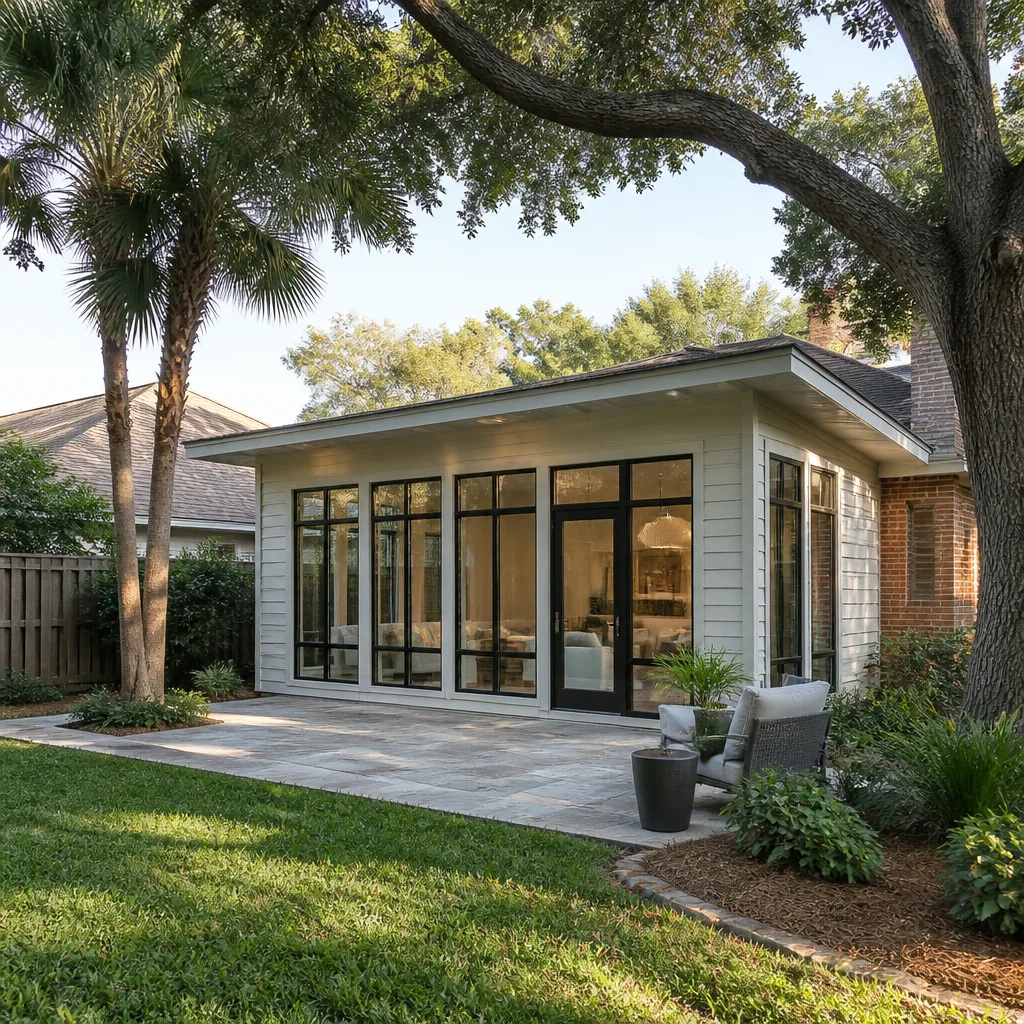
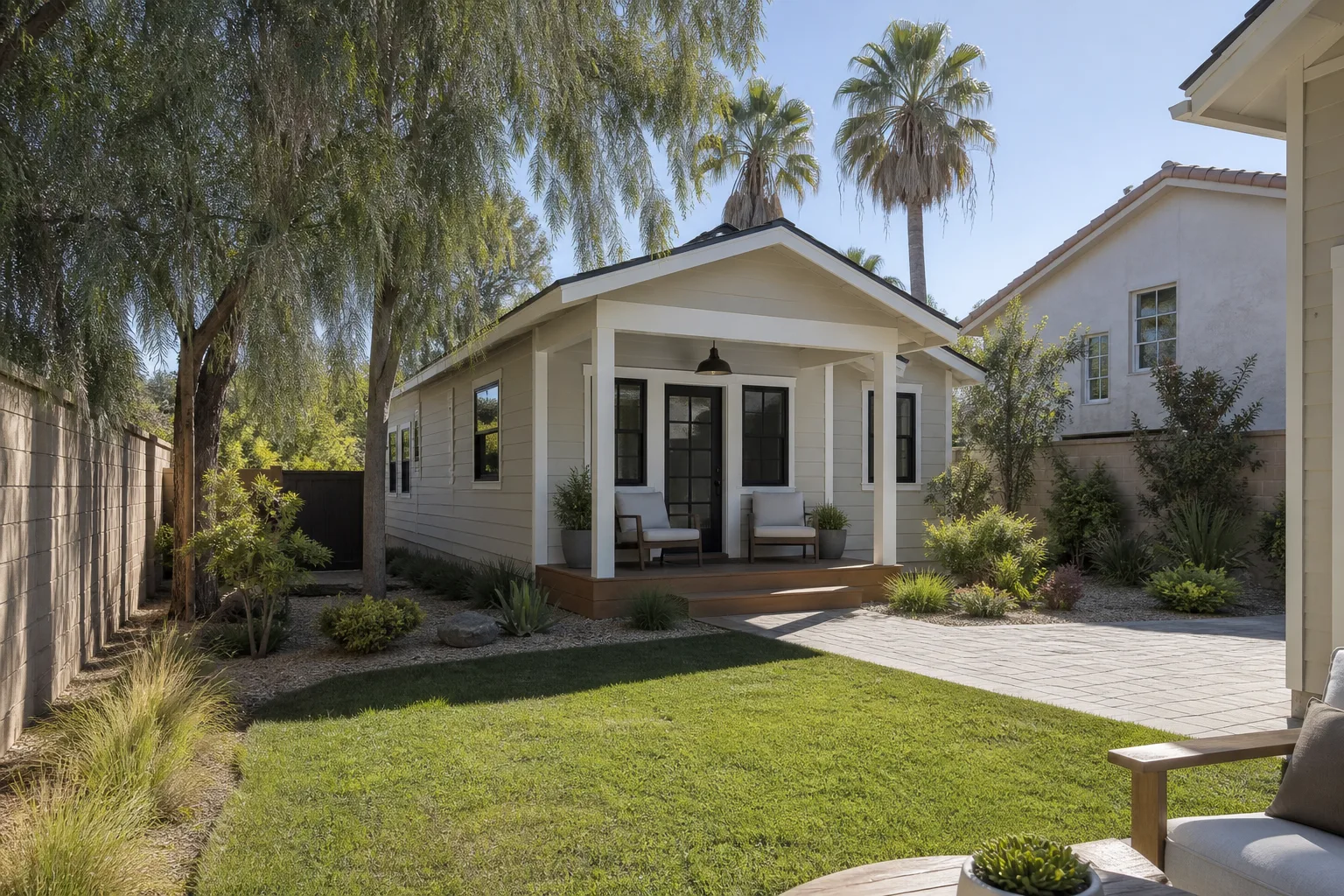
Atlas builds their additions and ADUs under a few distinct product lines, and the compatibility question usually comes down to how the original slab was poured and how the roof pitch was framed. Most Atlas additions in Austin fall into three buckets: single-story bump-outs that tie into the existing exterior wall, detached ADUs on pier-and-beam or slab, and garage conversions that Atlas pre-framed but never finished. The part that matters most isn’t a serial number; it’s the electrical sub-panel spec and the roof flashing system Atlas spec’d for the original build.
Here’s the gotcha we see regularly in Austin: Atlas specs a 100-amp sub-panel on many of their pre-2018 ADUs, which is fine for HVAC plus lights, but undersized the moment you add a tankless water heater or an EV charger. If you’re planning to finish out an Atlas shell, let us check the panel before you buy appliances. On the OEM-versus-aftermarket decision, Atlas-branded components like their corner flashing and transition gaskets are worth buying OEM because the profiles are specific. For interior finishes, doors, and windows, quality aftermarket options from the same manufacturers Atlas uses (or better) fit fine and usually cost less without giving up performance.
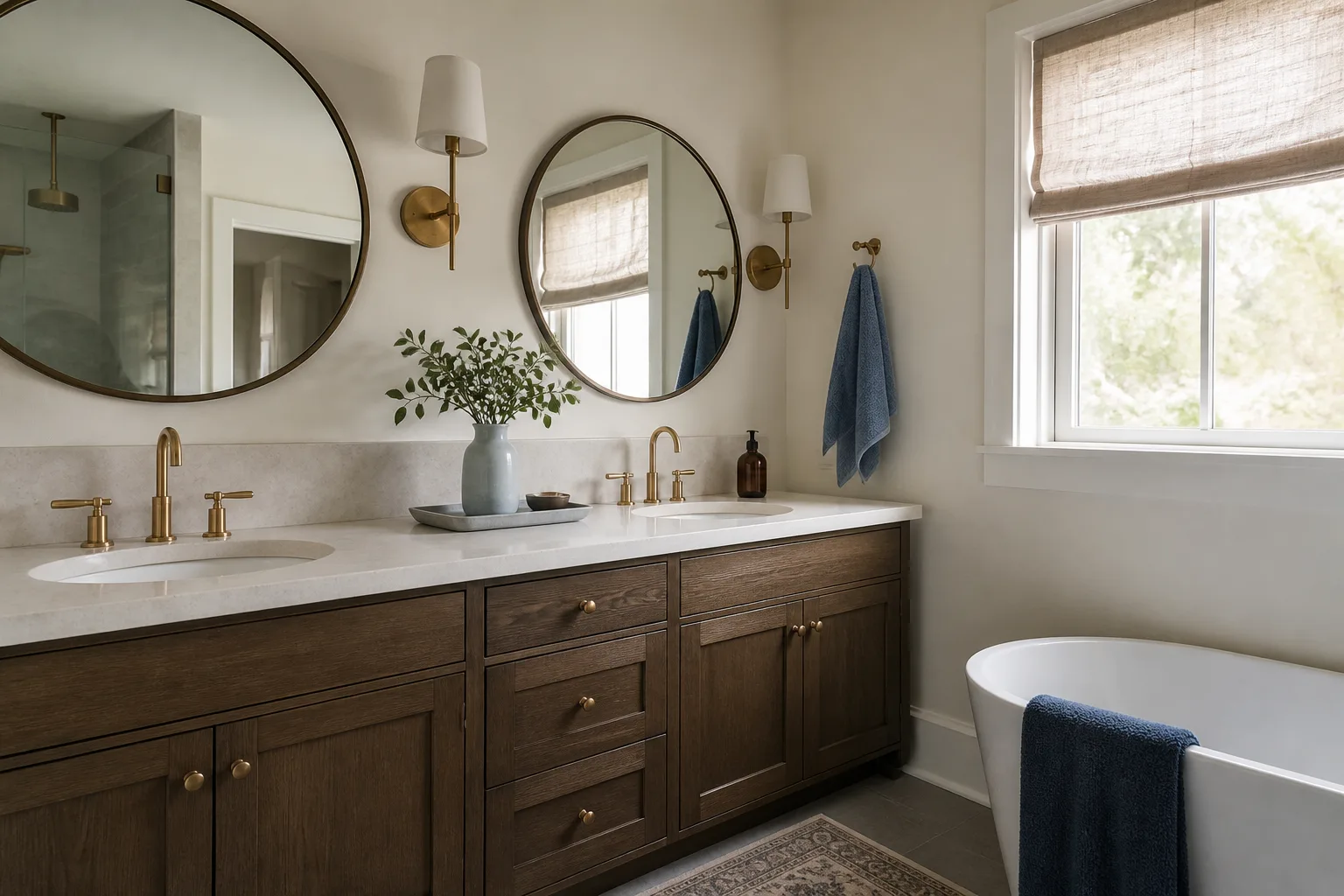
We also install parts for KraftMaid, Cambria, and Silestone when those brands are specified in the original Atlas design.
Styles & brands we work with







Signs Your Atlas Home Additions & ADU Is Failing
- Drywall cracks where the addition meets the original house. This is differential settling; the new foundation is moving at a different rate than the old one. We see it in East Austin more than anywhere else due to expansive clay soil that swells in spring and shrinks in August.
- A musty smell that only shows up after rain. The roofline tie-in was flashed incorrectly, or the step flashing was skipped altogether. Water travels sideways in an Austin downpour, and a bad tie-in wicks moisture into the wall cavity for months before you see a stain.
- Doors that stick only in summer. Wood framing absorbs humidity, and if the addition wasn’t built with proper air sealing at the sill plate, the whole assembly moves with the weather. It’s not the door; it’s the envelope.
- Electrical flicker when the AC kicks on inside the ADU. The sub-panel is undersized for the actual load, or the feeder wire was run too thin for the distance from the main panel. Atlas shells don’t always include the panel, so this is common on DIY-finish jobs.
- Floor bounce at the transition between old and new slab. The original slab and the addition slab were poured at different times without proper doweling, and the joint is working loose under traffic. It won’t get better on its own.
See the difference
 Before
 After
After Before
 After
After Before
 After
AfterReplacement Cost & What’s Included

In Austin, a full Atlas addition runs $45,000 to $130,000 installed, and an ADU construction project on an Atlas shell lands between $90,000 and $220,000 depending on whether you need foundation work, new electrical service, or a full interior finish. Garage conversions of Atlas pre-framed spaces typically run $30,000 to $80,000. These ranges assume we’re pulling permits, pouring or repairing the slab, framing correctly to code, and finishing to a level that matches the original house.
What drives the spread: soil conditions (East Austin clay runs deep pier costs), how far the ADU sits from the main panel, whether the roof tie-in needs re-engineering, and finish level. We give you a written line-item quote before any work starts, so the number you approve is the number you pay. The work is covered under our 365-Day Done Right Promise: if something isn’t right, we come back and make it right. No invoice surprises, no arguing.
DIY or Call Us?
Here’s the honest split. You can safely check for visible cracks, test the GFCI outlets in the ADU, and take photos of the roofline from the ground. What you shouldn’t do is get on a ladder to inspect flashing, or open an electrical panel if you’re not trained. A bad roof tie-in on a second-story addition puts you on a ladder with tools in the rain, and an undersized sub-panel is a shock hazard waiting for a humid Austin afternoon. That’s the part where DIY goes from expensive to dangerous.
If you’re seeing the symptoms above, call us at (409) 834-4854. We’ll come look, tell you what’s actually wrong, and hand you a written estimate whether you hire us or not.
FAQs

With proper foundation work and roof flashing, expect 30 to 40 years before major envelope repairs are needed. The first things to go in Austin’s climate are flashing and sealant joints, which typically need attention every 8 to 10 years. Slab issues from clay soil movement can appear sooner if the original pour cut corners on piers. Call (409) 834-4854 if you want us to walk the structure and tell you what’s aging where.
Usually yes. Flashing repairs, sub-panel upgrades, sill-plate air sealing, and foundation pier retrofits are all repairable without tearing down the addition. Full replacement is rare and only comes up when water damage has run years unchecked into the framing. We’ll tell you which one you’re looking at before you spend a dollar.
A repair on a failing tie-in or undersized panel takes 2 to 5 days once we’re on site. A full garage conversion runs 6 to 10 weeks including permitting. A ground-up ADU on an Atlas shell is 3 to 5 months depending on scope. Every job gets a schedule in writing, and you’ll see photo updates before and after each phase.
We keep Atlas-spec flashing profiles, transition gaskets, and common sub-panel sizes on the truck for the Austin jobs we run. Kitchen and bath finish parts for KraftMaid, Cambria, and Silestone are ordered to match your existing layout, typically 5 to 10 days out. Call (409) 834-4854 for a free estimate and we’ll confirm what’s in stock for your project.
Measure twice, cut once, then we actually build the thing. Luca Romano and the Sawyer Remodel Austin crew have been running Austin jobs for years, and we’re not hard to find; call (409) 834-4854 for a free estimate.
Written by Luca Romano, Owner, Sawyer Remodel Austin at Sawyer Remodel Austin, serving Austin and nearby areas.


