





Free written scope consultation - allowances, timeline, and change-order rules on paper before a single trade is scheduled
Belgard Home Additions & ADU: The Austin Owner’s Guide
Belgard home additions and ADU construction in Austin typically runs $45,000 to $130,000 for a standard addition, and $90,000 to $220,000 for a full ADU build-out. The most common failure point we see isn’t the Belgard pavers or blocks themselves, it’s the substrate and drainage layer underneath them, which fails long before the Belgard product does. You’ll usually spot it as sinking sections, pooling water against the foundation, or cracking that spreads faster than the Texas clay can dry.
We’re Sawyer Remodel Austin, an independent general contractor serving Austin and the surrounding area. We’re not affiliated with Belgard, but we install their products and match compatible components to existing Belgard work every week. If you’ve got a Belgard paver addition, patio-to-addition transition, or ADU foundation detail that’s shifting or failing, we’ll tell you exactly what’s wrong and what it costs to fix, in writing, before any tools come off the truck.
Which Belgard Models This Applies To

Belgard makes three product lines that show up most often in Austin additions and ADUs. The Holland Stone line is the typical paver used for walkways and small patios tied to additions. Urbana Stone is larger format, usually used for bigger patio slabs and ADU entries. Mega-Arbel and Mega-Bergerac are the oversized pavers we see on modern ADU driveways and transition pads. Each line has different joint widths and base requirements, so the “right part” depends on which line was originally installed.
The compatibility gotcha with Belgard, specifically: their newer pavers have a chamfered edge profile that older lines don’t share, so a replacement paver from the wrong line will sit visibly higher or lower than the surrounding stones. You can’t just match color at a glance. The paver ID is molded into the underside of the stone, usually a three-to-five digit code. If the stones are locked in place and you can’t flip one, a photo of the surface texture and joint width usually gets us close enough to source the right match. For homeowners who want the stone replaced but not re-engineered, OEM Belgard is the cleanest call. For homeowners whose base has failed, the paver itself is rarely the whole story.
For the structure of the addition itself, the Belgard part is usually the paving transition: the paver band where the new slab meets the old path, or the retaining block where the addition’s grade steps down. In Austin’s expansive clay soil, that transition is the first thing to move, because one side is on compacted structural fill and the other is on original soil that has been swelling and shrinking for decades.
Styles & brands we work with







Signs Your Belgard Home Additions & ADU Is Failing
- Sunken pavers near the addition edge. The base under the pavers was never compacted in lifts, or surface water has been washing the fines out from under the edge. This is the number one problem we repair in Austin, especially after the spring rains.
- Pooling water against the new foundation or slab. The original install didn’t account for the grade change the addition created. Water parks against the concrete instead of shedding away, and over time that means cracks, heaving, and a damp crawlspace or slab edge.
- Hairline cracks running from the addition slab into the pavers. This is differential settlement. The addition’s footing is on one type of soil, the pavers are on another, and the two move at different rates. A crack that starts at the transition and widens every dry season is a structural movement signal, not a cosmetic one.
- Pavers rocking underfoot with sand washing up between joints. The joint sand is gone, which means the pavers are now grinding against each other. You’ll see the edges chipping, then the stones start to shift. Once the sand is washed out, water goes straight into the base and the failure compounds fast.
- Retaining block leaning or separating from the addition. The block was probably built without a proper drainage column behind it. In Austin’s clay, hydrostatic pressure behind that block builds up fast, and a leaning wall is the predictable result. That’s a safety issue if it’s holding back more than a couple feet of grade.
See the difference
 Before
 After
After Before
 After
After Before
 After
AfterReplacement Cost & What’s Included
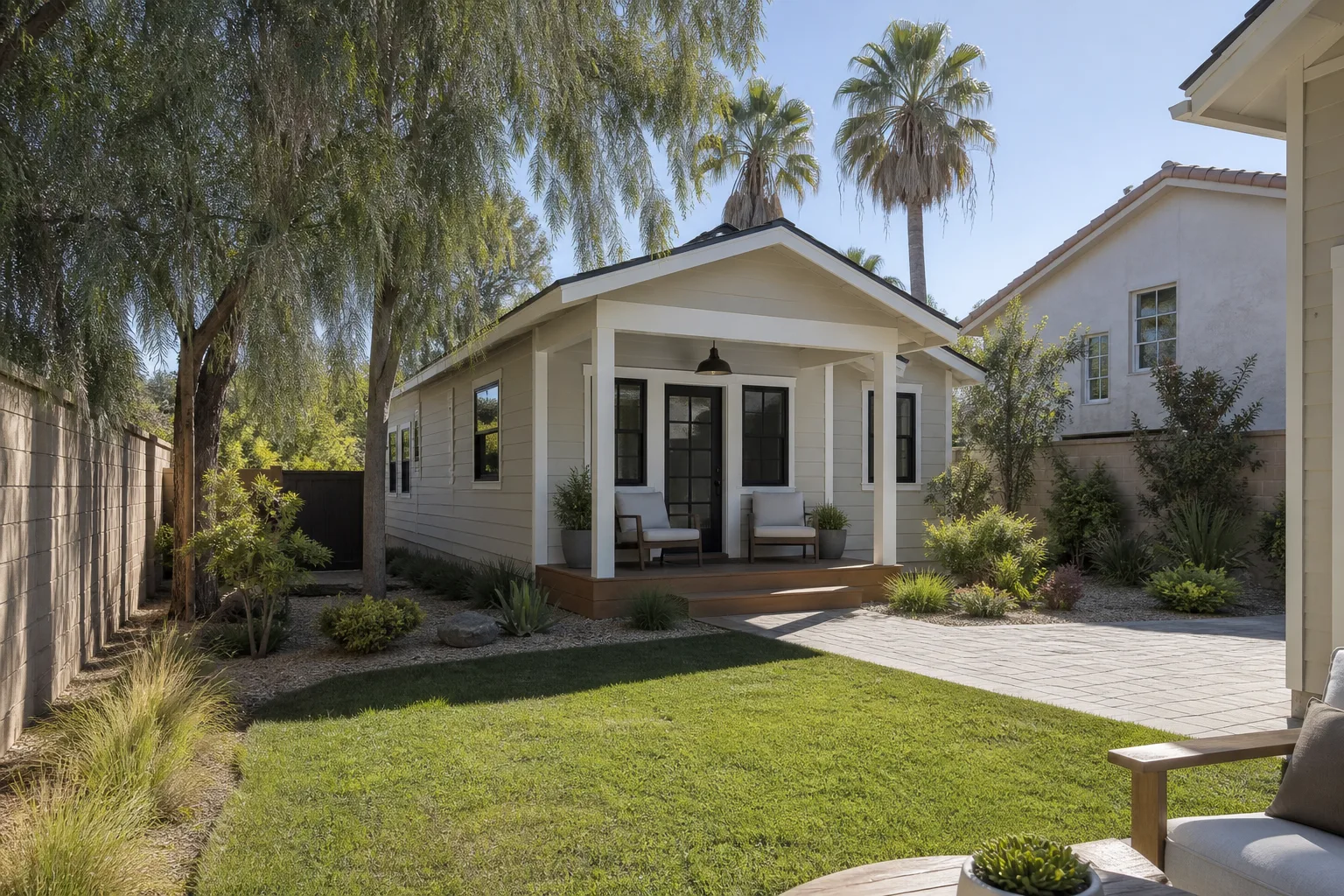
For Belgard paver repairs tied to an addition or ADU in Austin, the number depends on whether we’re fixing the surface or rebuilding the base. A spot repair of a small sunken area, say 80 to 150 square feet, will run $3,500 to $8,000. A full base rebuild with new joint sand and re-compaction for a larger transition area typically lands between $7,000 and $18,000. If the failure is structural, like a settling addition slab or a retaining wall that’s leaning, the work becomes part of a home addition repair project, and that’s the $45,000 to $130,000 range you see for Austin additions, depending on square footage, engineering, and what has to be torn out before we start.
Every quote includes the same thing: a line-item written price before any work begins, the specific Belgard or equivalent product we’ll use, the labor to remove and reset or rebuild, and disposal of the old material. We don’t do change orders mid-job. The price we put in writing is the price on the invoice. The 365-Day Done Right Promise applies to every repair we make. If it fails within a year because of our work, we come back and fix it. No argument, no re-quote.
What drives the range is mostly what’s underneath: if the base is intact and only the joints and a few pavers need work, that’s a one-day job and the price is on the low end. If we have to excavate two feet of water-logged base, haul it off, re-grade, and re-compact, the labor and disposal add up fast.
DIY or Call Us?
You can safely check a few things yourself: look at where water sits after a rain, check whether pavers rock under your foot, and note whether cracks are growing season to season. That’s useful information to bring to any contractor.
What you should not do is pull up a Belgard transition and try to re-set it yourself. The stone is heavier than it looks, the base compaction matters more than the surface, and if you rebuild the grade wrong, water ends up pointed at your foundation instead of away from it. That turns a $4,000 repair into a $30,000 foundation problem. Luca Romano has seen exactly that more than once. If you’re looking at pavers that have moved more than an inch, call (409) 834-4854 and let us look at the base before you touch anything.
FAQs
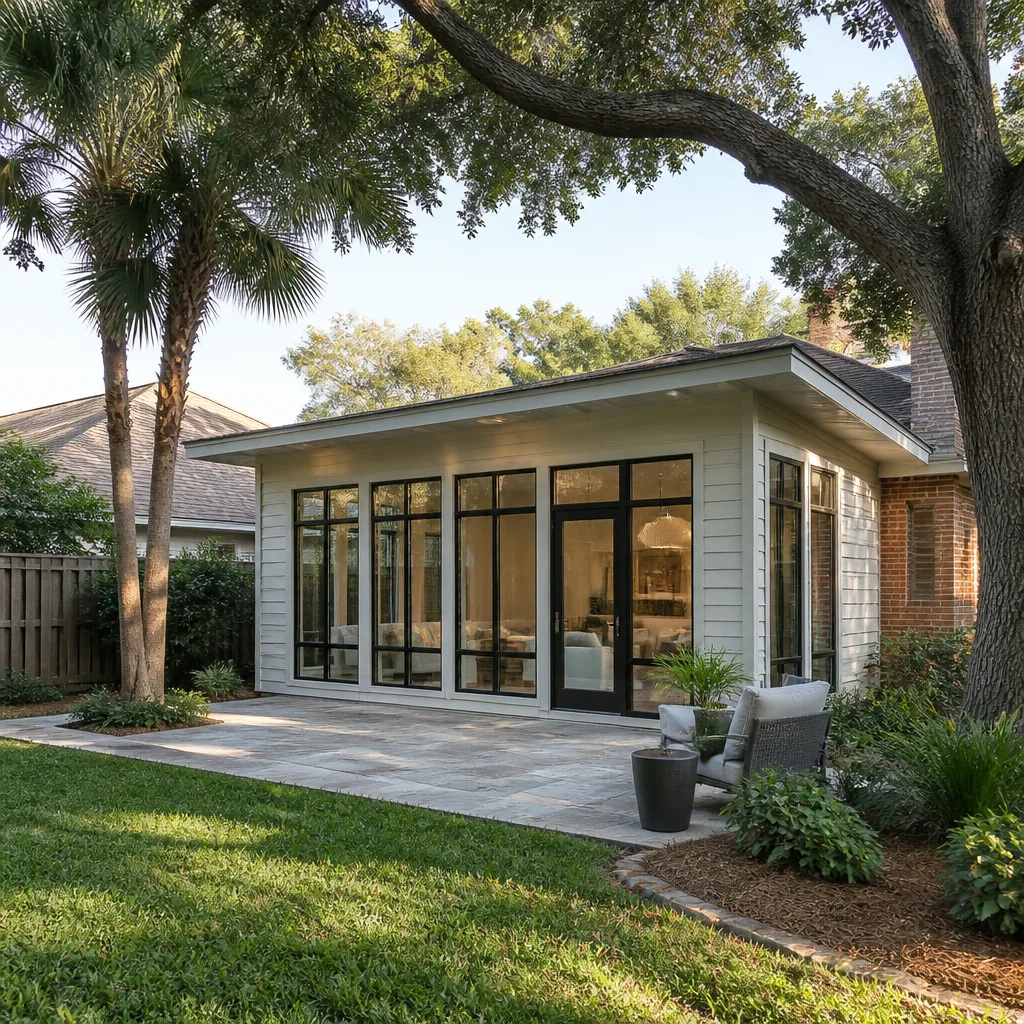
With a proper compacted base and drainage, Belgard pavers should hold their level for 20 to 30 years in Austin, even with our clay soil. What fails early is the base, not the paver. When the base washes out or wasn’t compacted in the first place, you’ll see movement in 3 to 7 years. Call (409) 834-4854 and we’ll tell you which situation you have, free estimate included.
In most cases we can repair just the failed section, especially if the base is intact and the problem is isolated joint washout. If the base was never compacted correctly, patching the surface will fail again in a season. We’ll tell you which one you’re dealing with before we quote anything.
A spot repair with pavers re-set and new joint sand is usually done in one day. A full base rebuild with excavation and re-compaction typically takes two to three days, depending on access and weather. Larger addition or ADU structural repairs follow the timeline of the full project; we’ll give you the schedule in writing at the estimate.
We work directly with local Austin Belgard distributors and can source the exact paver line and color you need. We don’t keep every line in stock, no contractor does. But we handle the whole ordering and pickup process, so you never have to track down a pallet of pavers or explain to a supplier what a chamfered edge is. Call (409) 834-4854 and we’ll match what you have.
Written by Luca Romano, Owner, Sawyer Remodel Austin at Sawyer Remodel Austin, serving Austin and nearby areas.


