



Free written scope consultation - allowances, timeline, and change-order rules on paper before a single trade is scheduled
Cambridge Pavers Kitchen Remodeling: The Austin Owner’s Guide
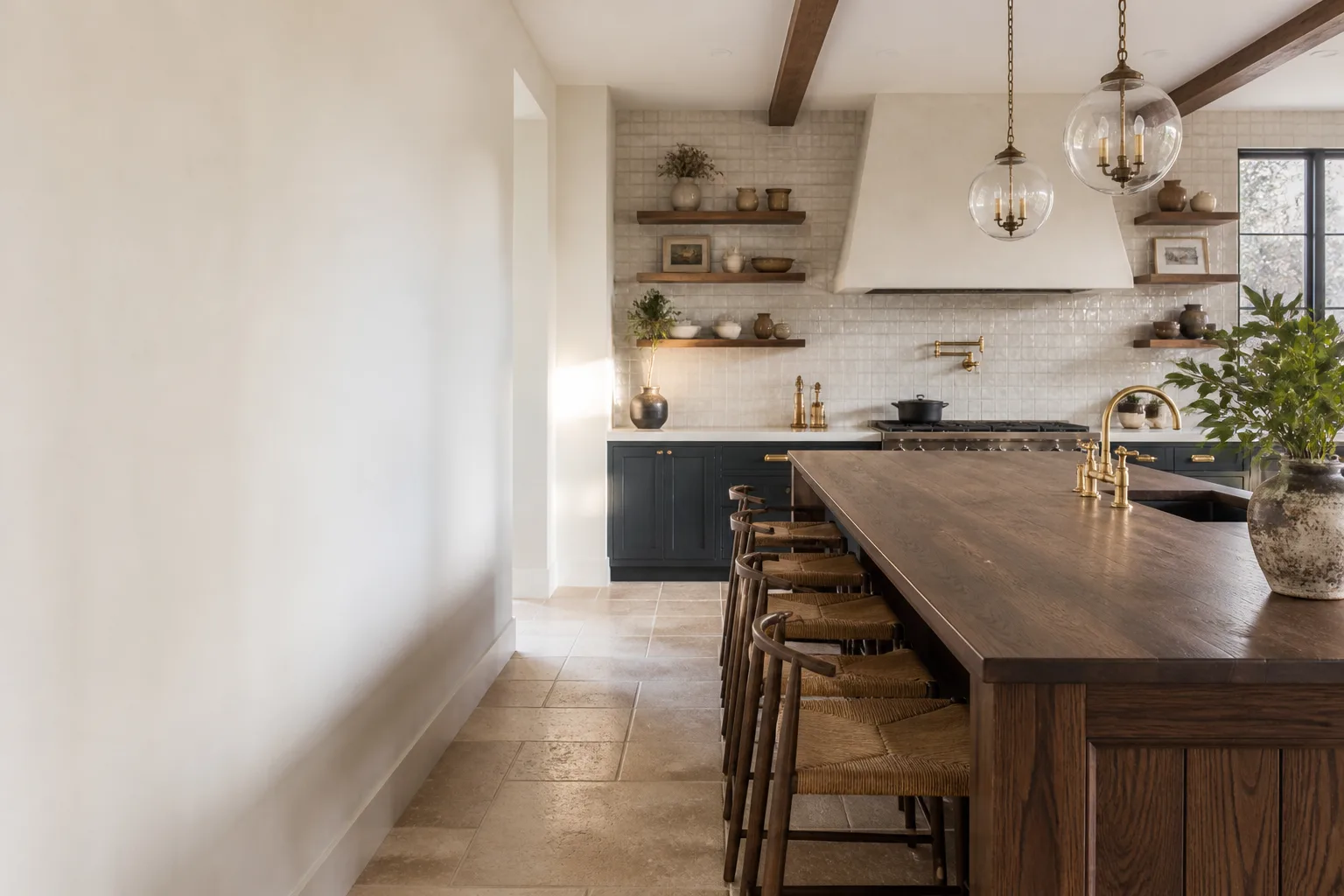
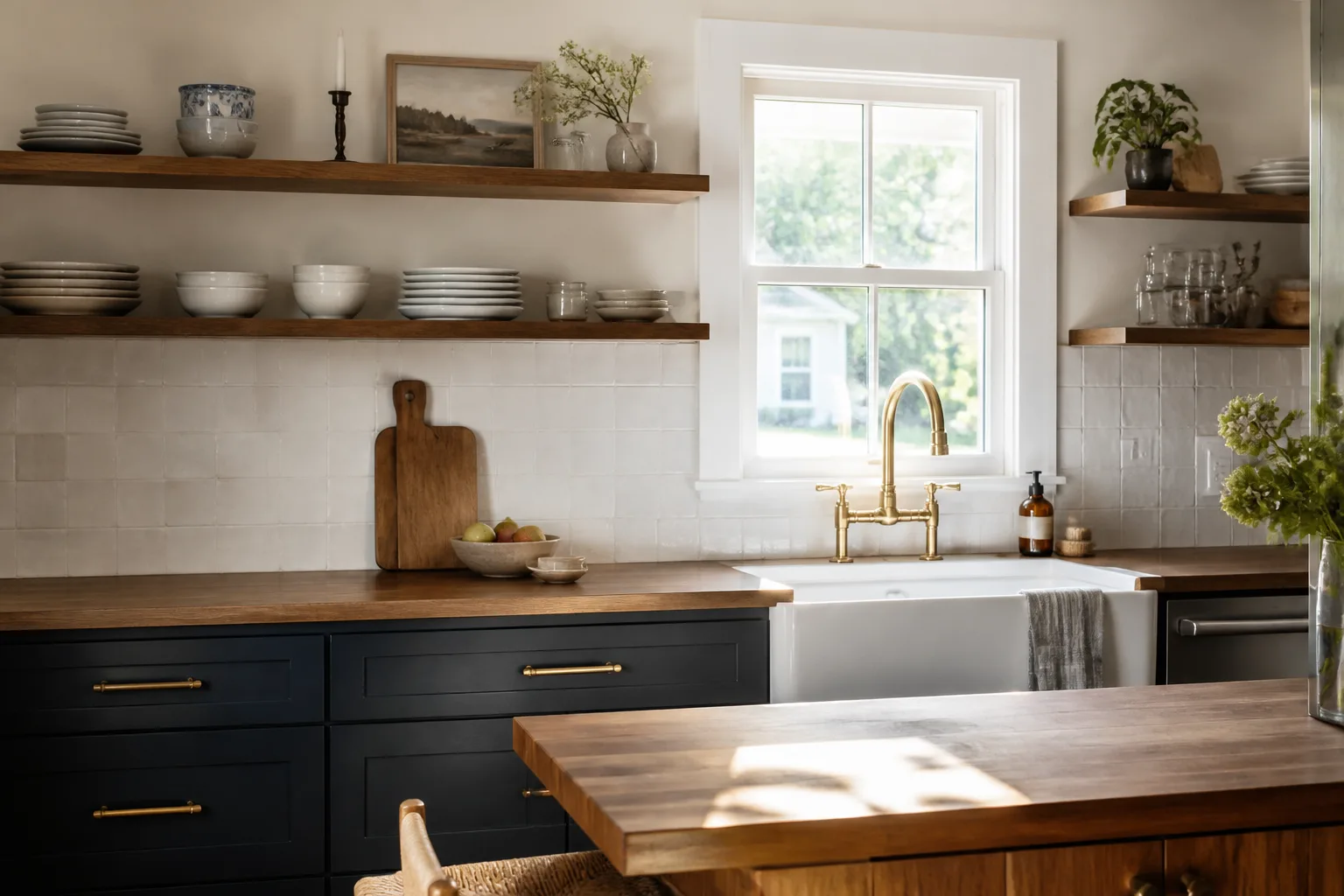
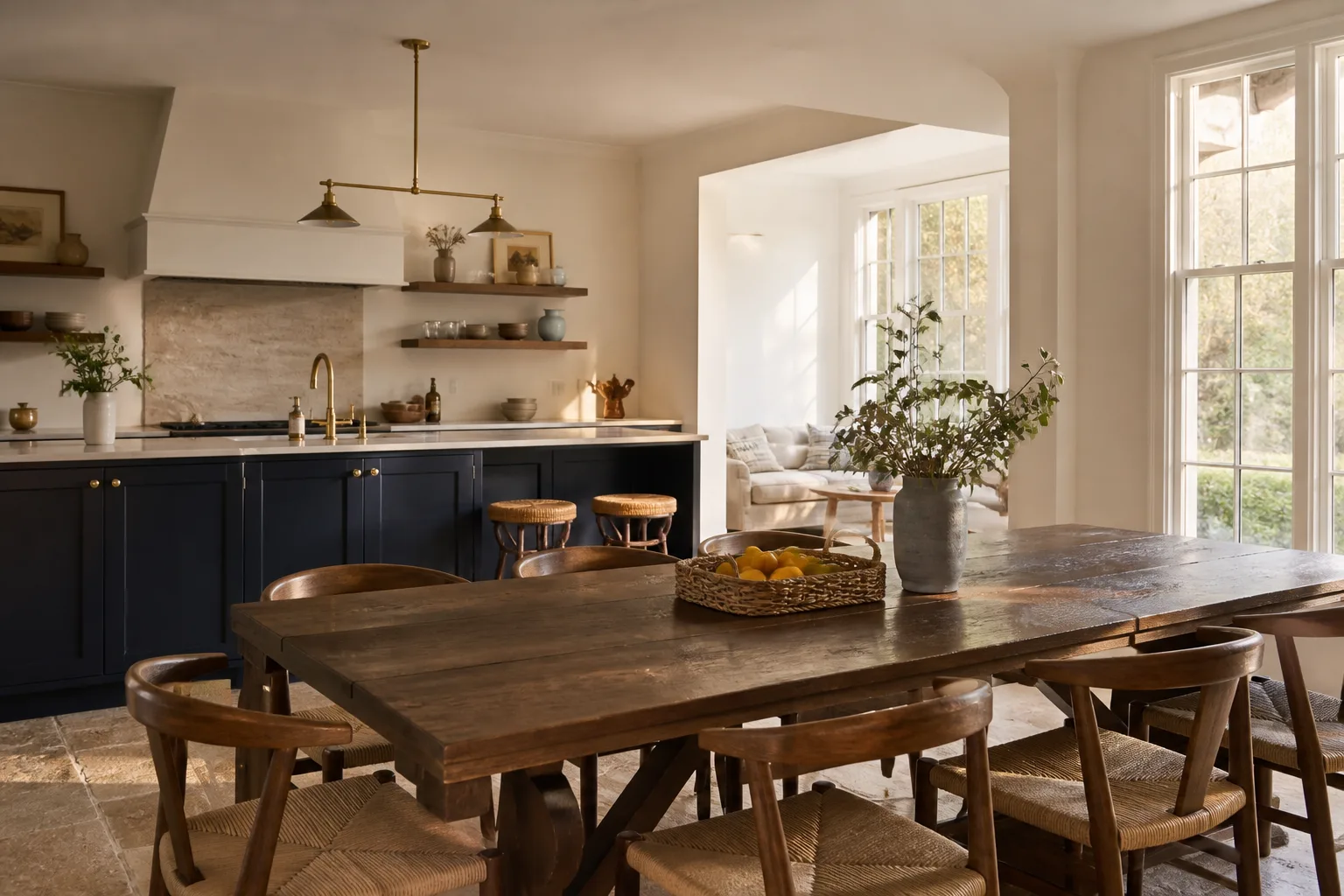
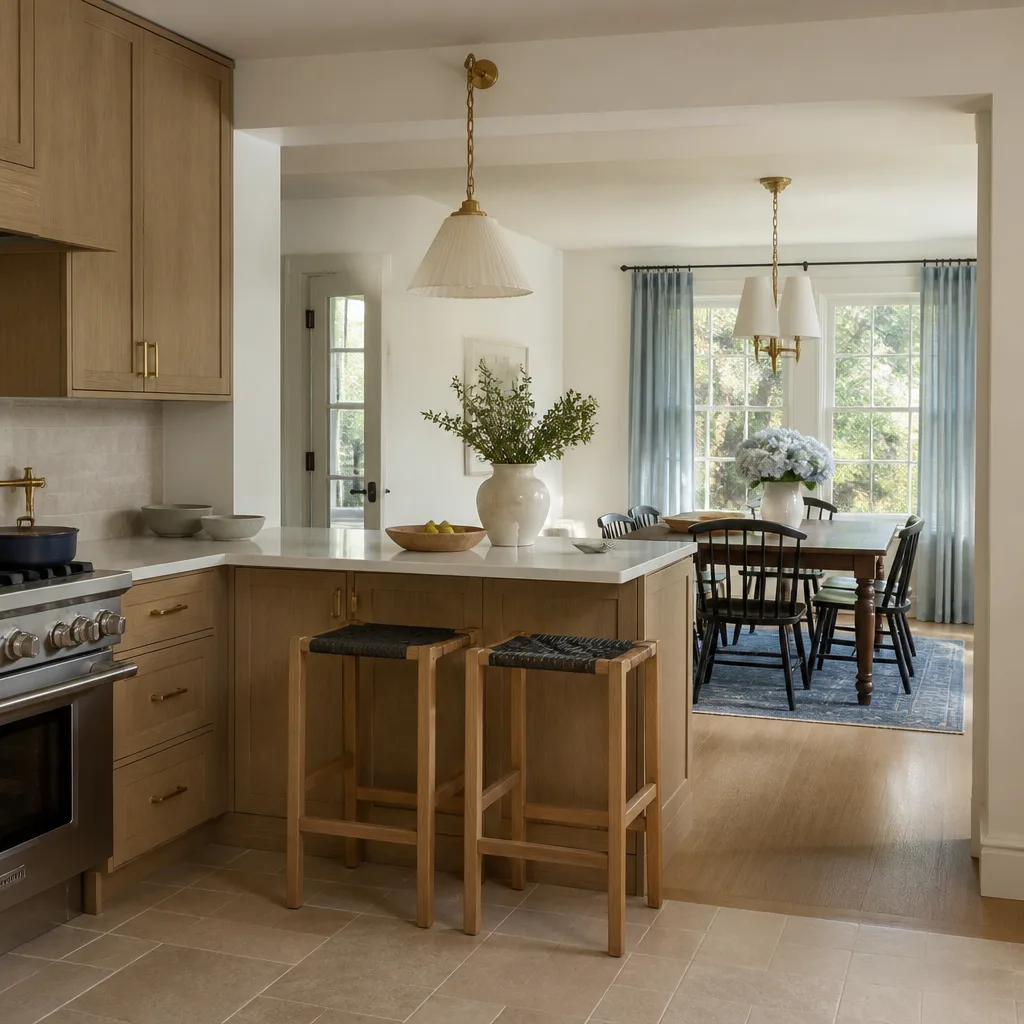
If you’re looking at Cambridge Pavers products as part of a kitchen remodel in Austin, the installed project typically runs $14,000 – $45,000 depending on square footage, material choices, and whether we’re working with existing pavers or starting fresh. Most Austin homeowners discover they need paver work in the kitchen when indoor-outdoor transitions start failing: pavers crack along the threshold, grout lines separate near the door, or the floor settles unevenly after heavy rain. We stock Cambridge Pavers-compatible materials and install them with the same standard we apply to every job Sawyer Remodel Austin takes on: written price before work starts, photo updates throughout, and a 365-Day Done Right Promise if anything’s not right when we’re done.
Which Cambridge Pavers Models This Applies To
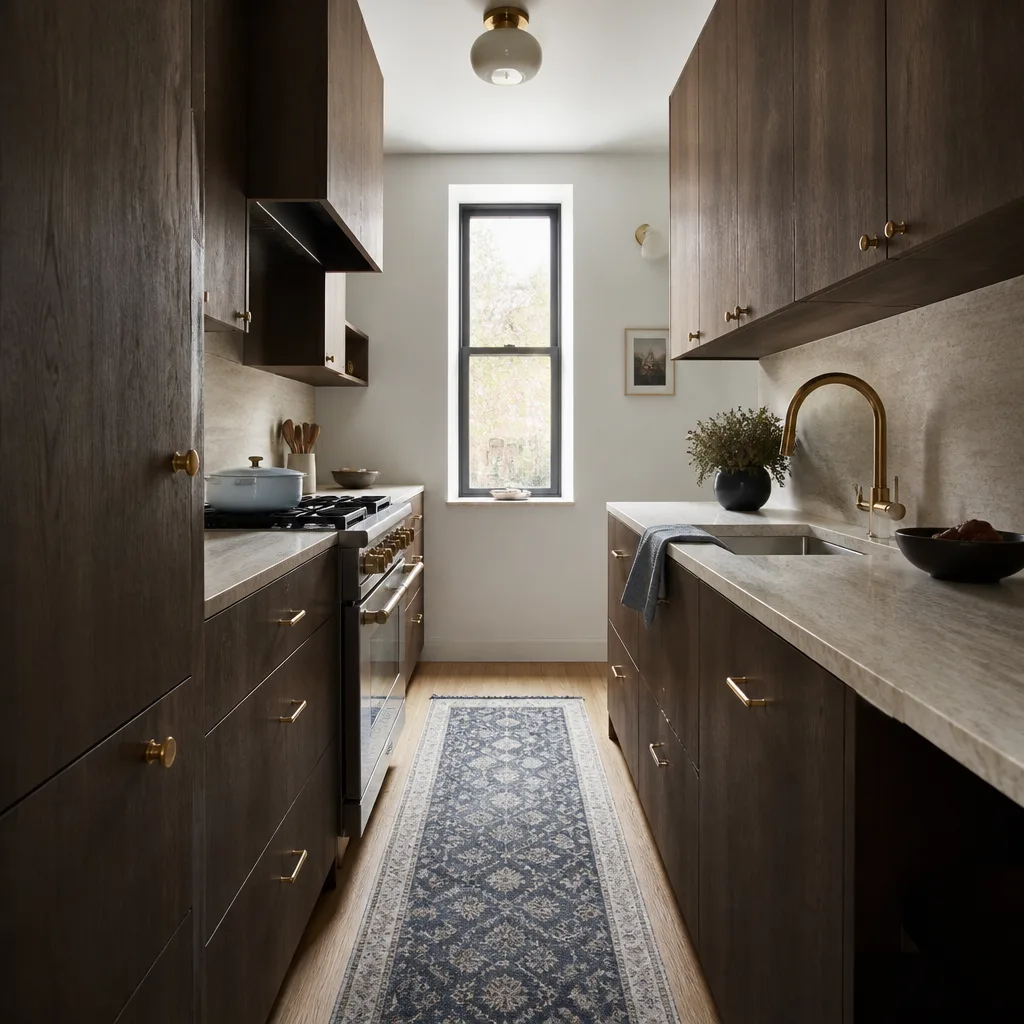
Cambridge Pavers makes several lines that we see regularly in Austin kitchens and adjacent outdoor spaces. The Maytrx and Ledgestone lines are the most common for indoor-outdoor transitions because their thickness tolerances are tight enough for interior flooring use. The RoundTable and Pavingstone lines show up in patio kitchens and backyard entertaining areas that flow directly from the house. Here’s the compatibility gotcha most homeowners don’t know: Cambridge Pavers thickness varies between 1 3/8″ and 2 3/8″ depending on the line, and if you’re extending an existing paver surface into a remodeled kitchen, the new pavers have to match the existing thickness or you’ll get lippage at the seam. We measure the existing pavers on site before we ever order materials because guessing on this one costs you money.
For OEM versus aftermarket: Cambridge Pavers doesn’t sell direct to homeowners, so you’re buying through a dealer or a contractor like us who has accounts with their distribution network. Aftermarket “Cambridge-compatible” pavers are usually just lookalikes with different dye lots and slightly different dimensions. For a kitchen remodel where the pavers meet cabinets and appliances, we recommend genuine Cambridge product only. The color consistency and edge profile matter when you’re looking at them every day. We also stock and install kitchen products from KraftMaid, Cambria, and Silestone, so if your project involves more than pavers, we can coordinate the full material package instead of juggling three separate suppliers.
Styles & brands we work with







Signs Your Cambridge Pavers Kitchen Remodeling Is Failing
- Paver lippage at the threshold: If you can catch a toe on the transition between your kitchen floor and the outdoor pavers, the substrate has shifted. In Austin’s expansive clay soil, this usually happens after drought-wet cycles. The fix is lifting the affected pavers, re-leveling the base, and resetting them. Delaying it turns a $400 repair into a $3,000 re-do.
- Efflorescence or white chalky residue: This is mineral salts rising through the paver from moisture. Austin’s hard water makes this more visible than in other markets. It’s cosmetic at first, but repeated cycles mean water is getting under the pavers and the base is washing out.
- Cracks radiating from the corners of your island or peninsula: If your kitchen island sits on a concrete slab and the pavers meet it at the base, a heavy island can crack the surrounding pavers as the slab settles. This isn’t a paver defect. It’s a structural support issue that needs addressed before you replace the pavers or they’ll crack again within a season.
- Loose or wobbly pavers near the sink or dishwasher: Water from a slow dishwasher leak or condensation from the sink cabinet can erode the sand base under interior pavers. If you feel movement when you step, the base is gone and the paver is riding on air.
- Dark staining that spreads after rain: Austin’s cedar pollen and clay soil combine into a staining agent that seeps into pavers when the sealer fails. Once the sealer is compromised, the paver absorbs whatever is sitting on it. Re-sealing stops it, but stained pavers have to be cleaned or rotated.
See the difference
 Before
 After
After Before
 After
After Before
 After
AfterReplacement Cost & What’s Included
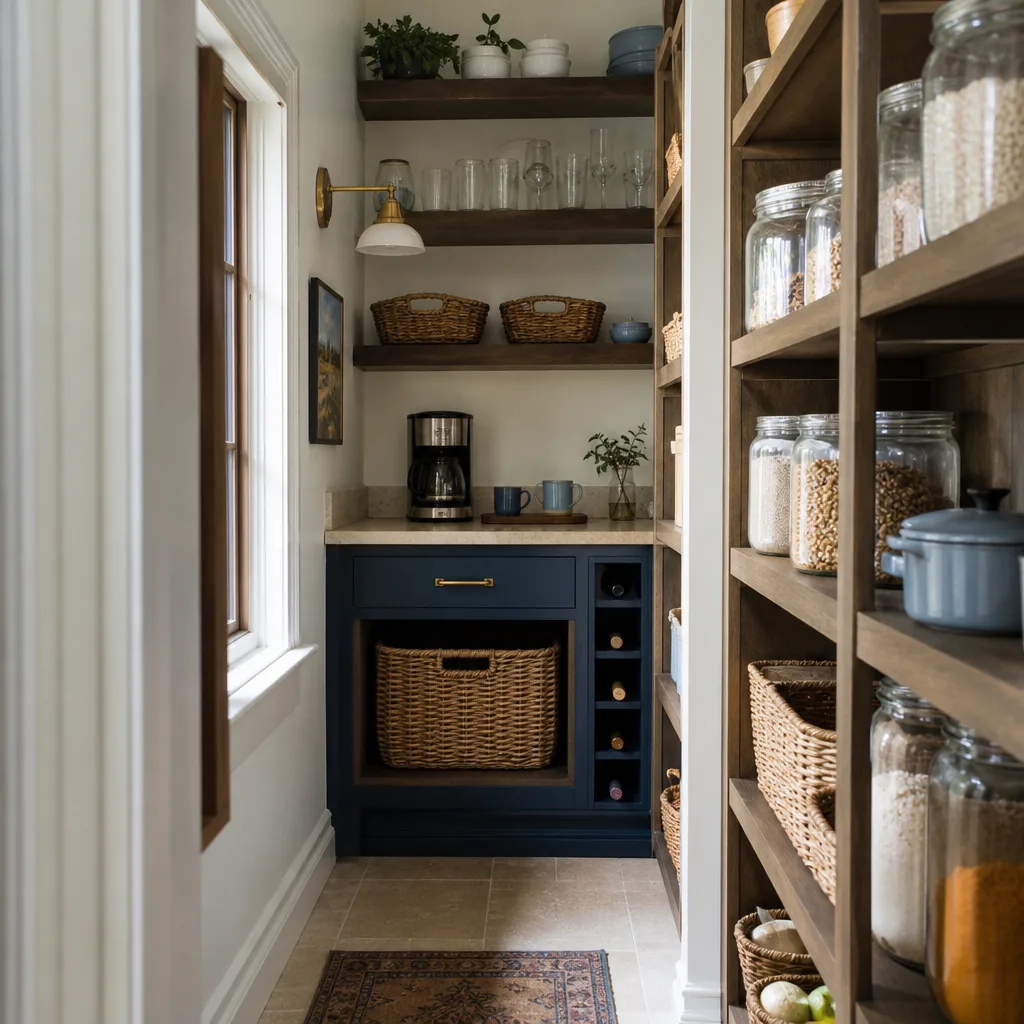
A full kitchen remodel involving Cambridge Pavers in Austin starts at $14,000 and runs to $45,000 for larger spaces with premium material choices. Here’s how that breaks down:
- Small kitchen remodel with paver accents: $9,000 – $20,000
- Kitchen island installation with paver base or surround: $3,000 – $10,000
- Countertop installation (Cambria, Silestone, or Caesarstone): $2,000 – $6,500
- Backsplash installation: $800 – $2,500
- Cabinet installation (KraftMaid or Wellborn): $4,000 – $13,000
Every quote from Sawyer Remodel Austin includes the paver material, substrate prep, labor, cleanup, and a written warranty on the work. You get the price in writing before we pick up a tool, and the number on the invoice is the number you approved. No change orders because we missed something. Luca Romano reads the floor plan before demo starts and calls out problems then, not at invoice time. If you’re extending an existing paver surface, confirm the existing thickness with us before you order cabinets, because that dimension sets your cabinet height.
DIY or Call Us?
Here’s the honest split. You can absolutely identify the problem yourself: check for lippage at the seams, watch for water pooling after rain, look for efflorescence. That’s useful information to give us on the phone. What you shouldn’t do is pull pavers yourself to inspect the base. Once you break the bond on a properly set paver, you can’t just drop it back in and expect it to sit right. The base has to be re-compacted, the paver re-leveled, and the joint sand re-applied. Half the repairs we see on Austin jobs are second attempts where a homeowner or a handyman tried to save money and made the problem bigger. If you’re not sure whether it’s a simple fix or a structural issue, call (409) 834-4854 and describe what you’re seeing. We’ll tell you if it’s something you can leave alone for now or something that needs attention before it gets worse.
FAQs

With proper installation and sealing, Cambridge Pavers in an interior Austin application typically last 25 – 40 years before the surface shows meaningful wear. The bigger variable in Austin is the substrate: clay soil movement will compromise the base long before the paver itself fails. Call (409) 834-4854 if you’re seeing movement, and we’ll assess whether your pavers are salvageable.
Yes, in most cases we can lift and reset individual pavers without touching the surrounding field, as long as the base underneath is still intact. If the base has eroded or the pavers are cracked through, individual repair becomes a patch job that will fail again. We’ll tell you which situation you have before we quote, not after we open it up.
A typical Austin kitchen remodel with paver work takes 2 – 4 weeks from demo to final walkthrough, depending on scope. Paver installation itself is usually 2 – 4 days including base prep and sealing. You get a schedule in writing before we start, and photo updates throughout so you’re never guessing what happened while you were at work.
We keep common Cambridge Paver sizes and colors on hand for Austin jobs, but exact dye-lot matching for older installations usually means ordering from the distributor, which adds 3 – 7 days. If the color match doesn’t have to be perfect, same-week repair is typical. Call (409) 834-4854 and we’ll check availability for your specific paver before you schedule.
When you’re ready to price the job, call (409) 834-4854. Luca or someone from the Sawyer Remodel Austin crew will pick up, ask a few questions about your space, and get you a written estimate scheduled. Measure twice, cut once, then we actually build the thing.
Written by Luca Romano, Owner, Sawyer Remodel Austin at Sawyer Remodel Austin, serving Austin and nearby areas.


