


Free written scope consultation - allowances, timeline, and change-order rules on paper before a single trade is scheduled
James Hardie Home Additions & ADU: The Austin Owner’s Guide
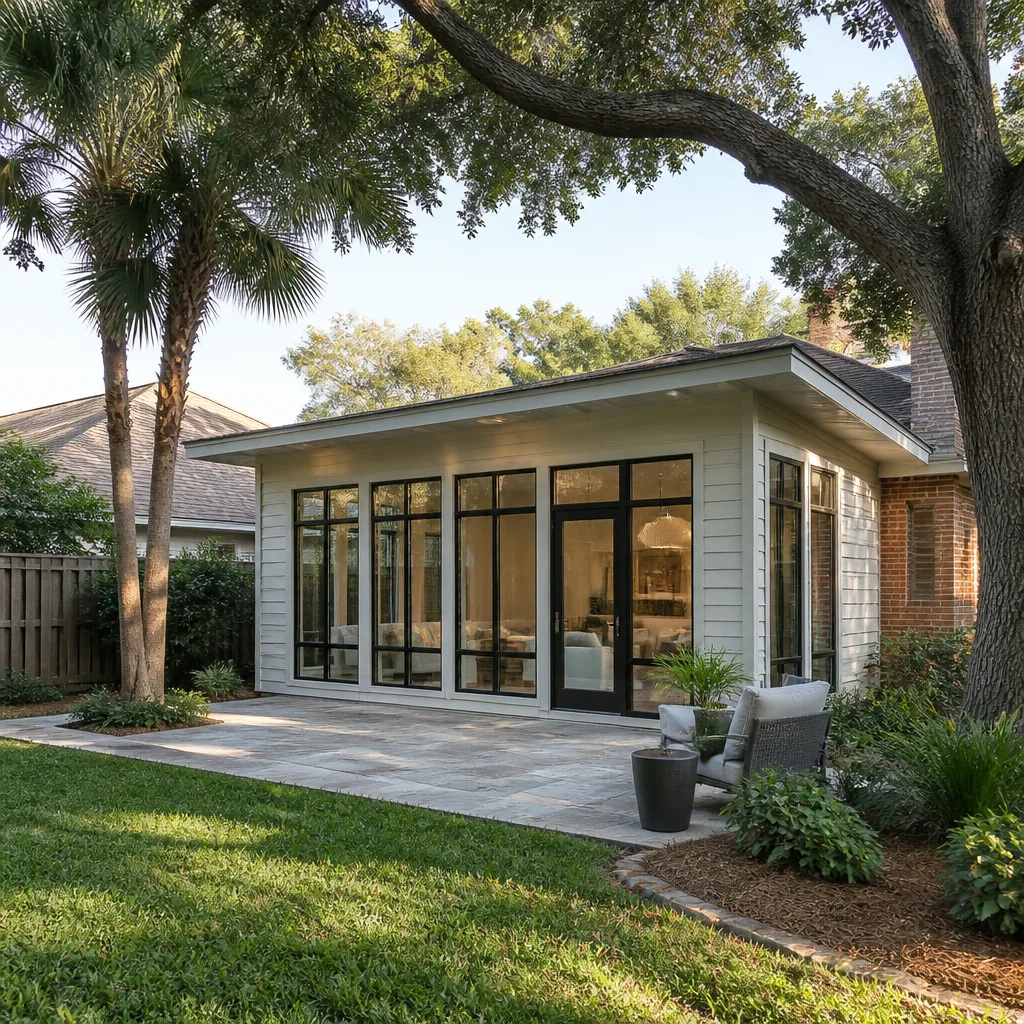
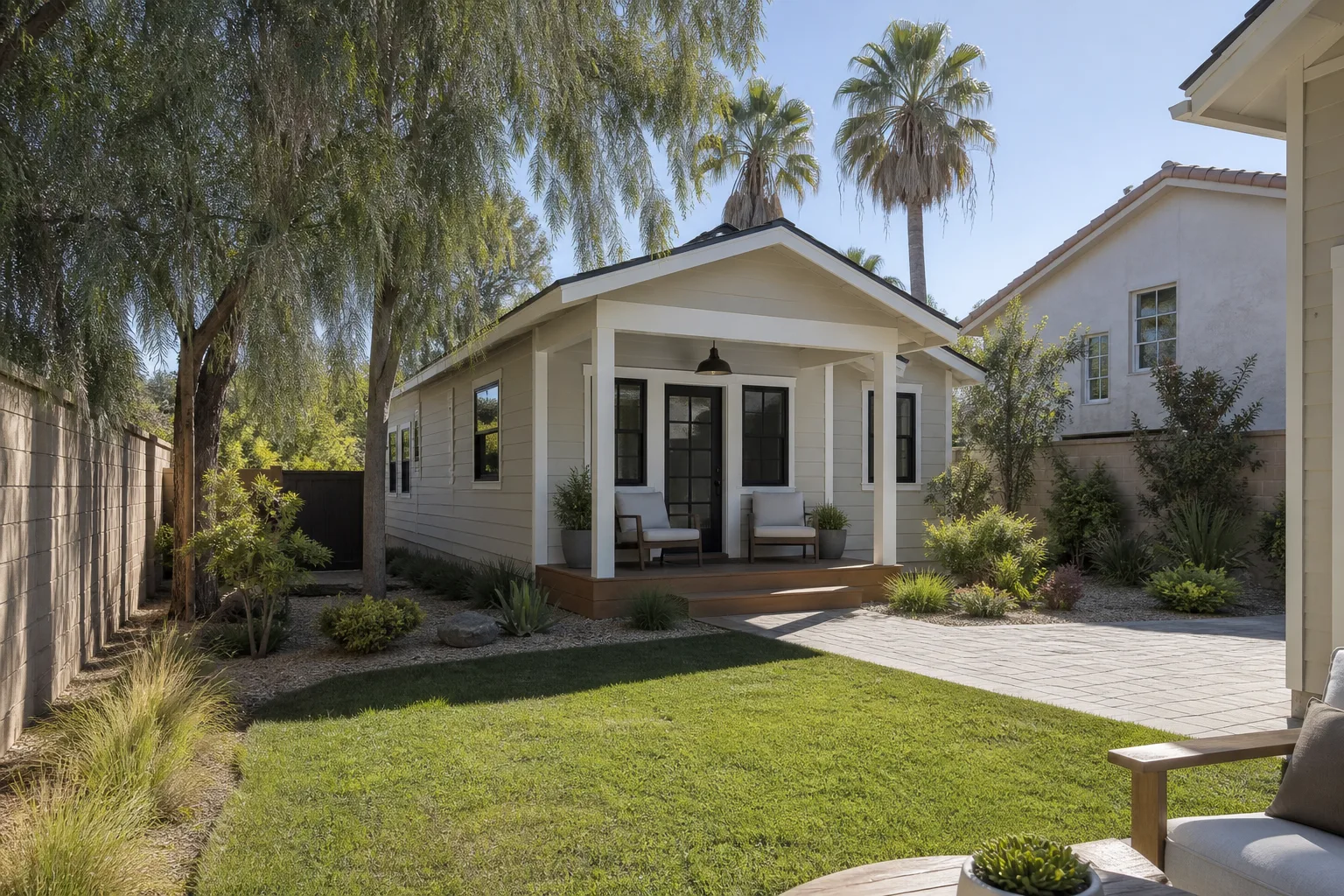
Adding square footage with James Hardie siding and trim in Austin typically runs $45,000 to $130,000 for a full home addition, while a standalone ADU built with Hardie products lands between $90,000 and $220,000. We stock and install the full James Hardie line for additions and ADUs across Austin, and most planning and material verification happens within the first week. Most Austin homeowners call us after they’ve spotted water staining at the transition between their original siding and a newer addition, or when they realize their existing Hardie lap siding doesn’t match the profile on the new structure.
If your James Hardie siding, trim, or soffit is delaminating, cracking at fastener points, or showing swelling at the bottom edge, you’re looking at a repair or replacement before the weather gets to the framing underneath. Luca Romano and the Sawyer Remodel Austin crew have been through this exact diagnosis enough times in Bouldin Creek, Travis Heights, and Allandale to know exactly what you’re dealing with.
Which James Hardie Models This Applies To

James Hardie makes several product lines, and the compatibility question trips up a lot of Austin homeowners. The main lines we work with for additions and ADUs are HardiePlank lap siding (available in 4×8, 5.25″, 6.25″, 7.25″, and 8.25″ exposures), HardiePanel vertical siding (4×8, 4×9, and 4×10 sheets), HardieTrim boards (4/4 and 5/4 thickness), and HardieSoffit panels. The gotcha: if your existing home was built before 2015, the current HardiePlank profile may not match what’s on your walls. Older runs used a slightly different wood-grain texture and a narrower butt edge. We measure the existing exposure and check the backside stamp code on a removed piece to confirm whether we can match it or need to re-side an entire elevation so the addition doesn’t look like a patch job.
For the OEM-versus-aftermarket decision: we use genuine James Hardie products on additions and ADUs because the 30-year non-prorated warranty matters on a five-figure build. Aftermarket fiber cement boards exist, but the finish consistency and warranty backing are not the same. We’re an independent Austin contractor, not a James Hardie subsidiary, so our recommendation comes from installing this stuff, not from a corporate script. We also carry KraftMaid cabinetry, Cambria countertops, and Silestone surfaces when the addition includes a kitchen or bath.
Styles & brands we work with







Signs Your James Hardie Home Additions & ADU Is Failing
- Swelling or softness at the bottom edge of lap siding. This is the number-one failure in Austin. Hardie requires a 6-inch clearance from grade and proper flashing at the foundation line. When a previous installer buried the siding too close to soil, capillary action pulls moisture up, and the board starts to swell within five to seven years.
- Cracking radiating from nail heads. Hardie is cement-based and brittle. If the installer over-drove nails or used a standard framing nailer without adjusting pressure, hairline cracks form at the fastener. Those cracks widen with Austin’s clay-heavy soil movement and temperature swings.
- Paint peeling on fiber cement within three years of installation. That’s almost never a paint problem. It means moisture is getting behind the siding because the housewrap or flashing was done wrong. The paint fails because the substrate is wet, not because the paint was cheap.
- Gaps opening at butt joints. HardiePlank is supposed to have a small gap at butt joints with flashing behind it. If you can see daylight or feel air movement at the joint, the flashing is missing or shifted, and that gap is letting water hit the sheathing.
- Mold or staining on interior drywall near the addition wall line. By the time interior staining shows up, water has been traveling through the wall assembly for a while. This is the point where Austin homeowners realize their home addition siding isn’t doing its job.
See the difference
 Before
 After
After Before
 After
After Before
 After
AfterReplacement Cost & What’s Included
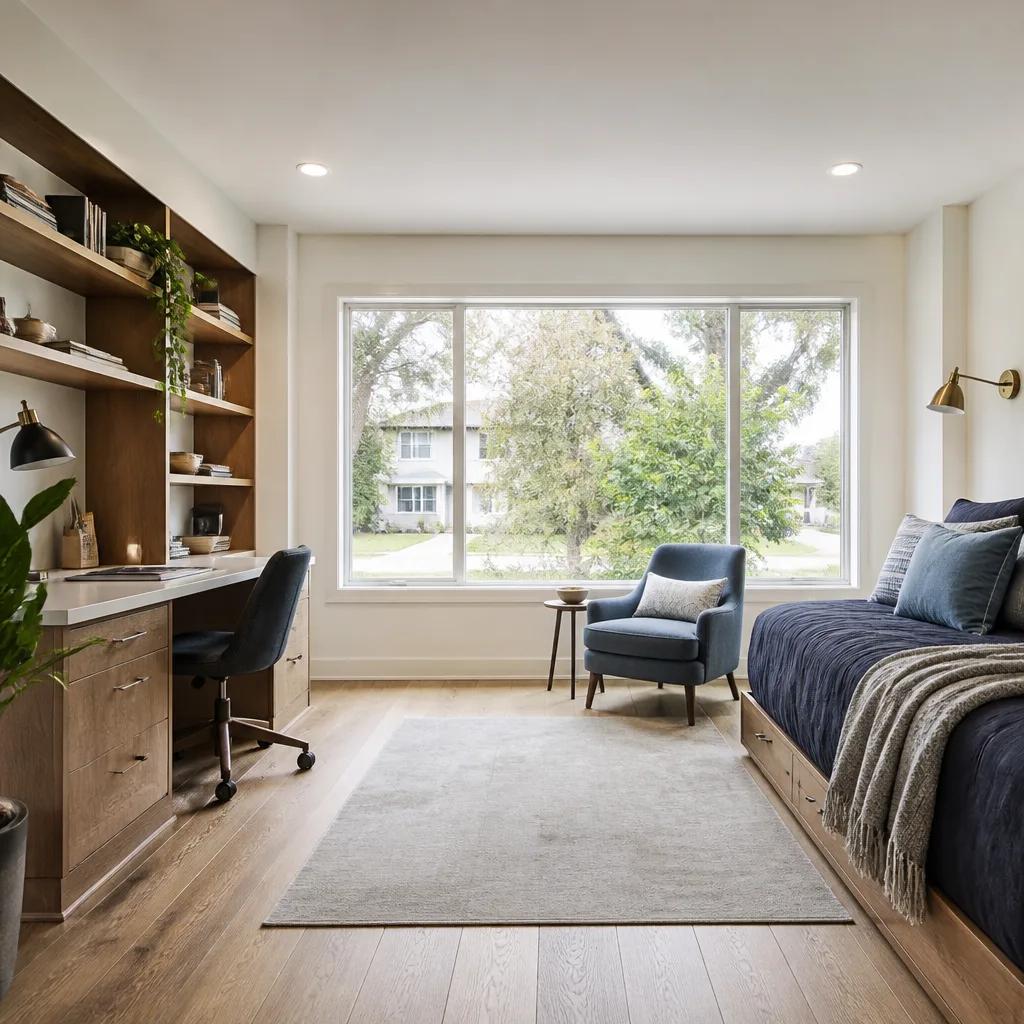
Here’s the honest Austin pricing for James Hardie work on additions and ADUs:
| Project Scope | Typical Austin Range |
|---|---|
| Full home addition (400-800 sq ft) with Hardie siding, trim, and soffit | $45,000 – $130,000 |
| Standalone ADU construction (600-1,000 sq ft) with full Hardie exterior | $90,000 – $220,000 |
| Garage conversion with Hardie exterior matching | $30,000 – $80,000 |
| Siding-only replacement on an existing addition (re-side one elevation) | $4,500 – $15,000 |
What moves the number: the size of the structure, whether we’re matching existing siding or going with a new profile, the complexity of corners and trim detailing, and whether the underlying sheathing or framing needs repair once we open the wall. Every Sawyer Remodel Austin quote includes the written price before work starts, a line-item breakdown, and our 365-Day Done Right Promise in writing. If it’s not done right, we make it right. That’s not a marketing line, it’s the standing agreement on every job.
DIY or Call Us?
A homeowner can absolutely inspect their own James Hardie siding for swelling at the base, cracks at fasteners, and evidence of missing flashing at butt joints. What you should not do is remove a piece of Hardie to inspect the housewrap behind it. Fiber cement is heavy, brittle, and the nails holding it are hidden behind the board above. Popping a board off without the right tools and a plan for reinstallation usually ends with broken edges and a wall that’s open to Austin weather until someone fixes it. And if the failure involves water intrusion at the roofline or foundation, you’ll be chasing symptoms while the framing rots.
If you’re not sure what you’re looking at, call us at (409) 834-4854. Luca will walk through what you’re seeing, and if it needs a closer look, we’ll schedule a time that works. The estimate is free, and the price is in writing before anything gets touched.
FAQs
James Hardie fiber cement carries a 30-year non-prorated warranty, and with correct installation and paint maintenance, the siding itself commonly lasts 30 to 40 years in Austin’s climate. The weak points are installation-related: poor flashing, incorrect clearances, and over-driven fasteners are what cause early failure, not the product failing on its own. Call (409) 834-4854 if you need us to evaluate an existing installation.
It depends on how far the damage extends. Individual boards with isolated cracking or swelling at the base can be swapped out if we can match the profile and paint line. If multiple boards are failing across an elevation or the sheathing behind is compromised, full replacement of that section is the honest fix. We’ll tell you which path makes sense before you spend a dollar, with a written quote either way.
A single-elevation siding repair on an existing addition typically takes three to five working days, including paint. A full addition or ADU build with Hardie exterior runs eight to sixteen weeks depending on size, foundation work, and Austin’s permitting schedule. We give you a timeline in writing before work starts, and photo updates during the project so you always know where things stand.
We source genuine James Hardie products directly from our Austin supplier accounts and handle the ordering, delivery, and any lead-time issues. You don’t need to buy materials or guess at profiles and exposures. We inspect your existing siding, confirm compatibility, and order exactly what the job needs. Call (409) 834-4854 to get the process started with a free estimate.
Written by Luca Romano, Owner, Sawyer Remodel Austin at Sawyer Remodel Austin, serving Austin and nearby areas.


