








Free written scope consultation - allowances, timeline, and change-order rules on paper before a single trade is scheduled
Blanco Kitchen Remodeling: The Austin Owner’s Guide
Blanco kitchen remodeling in Austin typically runs $14,000 – $45,000 installed, depending on whether you’re replacing a worn sink-and-faucet setup or doing a full gut-out with new cabinetry, counters, and fixtures. We stock Blanco-compatible parts on our trucks and can usually match your existing sink or faucet model the same day we look at it. The most common call we get starts the same way: a Blanco faucet that drips even when the handle’s tight, or a Blanco sink drain that’s slowed to a trickle after years of Austin’s hard water chewing at the seals.
If you bought a Blanco because it was built to last, the good news is most failures aren’t the sink itself. It’s the seals, cartridges, and mounting hardware around it. The bad news is that Blanco uses some proprietary sizing, so a generic big-box replacement part often doesn’t seat right. That’s where knowing the model number saves you money and a second trip.
Key Takeaways:
- Installed Blanco parts and full remodels in Austin run $14,000 – $45,000 depending on scope
- Most Blanco failures are seals and cartridges, not the sink body or faucet housing
- Blanco uses proprietary thread pitches on some models – generic parts can cross-thread
- We stock common Blanco-compatible cartridges, drain assemblies, and mounting clips on the truck
- Sawyer Remodel Austin is an independent contractor, not affiliated with Blanco
Which Blanco Models This Applies To

Blanco’s current U.S. lineup splits into a few series you’ll see in Austin kitchens: the Blanco Diamond (their double-bowl granite-composite sink, usually 33″ or 30″), the Blanco Precis (single-bowl composite, often under 25″), and the Blanco Culina (pull-out faucet with a spring neck, very common in kitchens built after 2015). Older stainless models from the Blanco Zia and Blanco Axis lines still show up in homes around Bouldin Creek and Hyde Park.
The tricky part with Blanco is identifying your exact model before ordering anything. The model stamp is usually on the underside of the sink bowl or on the faucet base plate, and it matters because Blanco changed their drain thread pitch between generations. A Precis from 2016 and a Precis from 2022 don’t always share the same strainer basket. If you can’t read the stamp, take a photo of the faucet from the side and the sink from underneath before you call us. It saves a truck roll.
On the OEM-vs-aftermarket question: Blanco’s OEM cartridges and seals are worth the price on faucets because the ceramic disc tolerances are tight. Aftermarket equivalents work on drain assemblies and mounting hardware, but we’ve seen too many off-brand cartridges start dripping again in six months. For composite sinks, stick with Blanco’s own repair paste for scratches and chips. The color match on generics is never right.
Styles & brands we work with







Signs Your Blanco Kitchen Remodeling Is Failing
- Faucet drips from the spout after you close the handle. The ceramic disc cartridge wears down over years of on-off cycles. Austin’s mineral-heavy water accelerates it, and once the disc gets scored, tightening the handle harder just makes the scoring worse.
- Water seeps from under the handle base. The O-ring seal between the cartridge and faucet body has flattened. This one gets worse every time you use the faucet, and the standing water starts corroding the finish on the base plate.
- The pull-out spray head doesn’t retract fully. The counterweight inside the cabinet usually slipped, or the hose has started kinking. Sometimes the hose itself needs replacement because the outer braid catches inside the spout.
- Sink drains slowly even after clearing visible debris. Older Blanco baskets use a plastic collar that warps over time, which breaks the seal and lets air into the drain line. It looks fine from above but never fully drains the bowl.
- Composite sink shows a chalky ring or white haze. Austin’s hard water deposits etch into the silica surface over time. Once it’s etched, no amount of scrubbing fixes it. It needs a light re-polish or a Blanco repair paste matched to the sink color.
See the difference
 Before
 After
After Before
 After
After Before
 After
AfterReplacement Cost & What’s Included
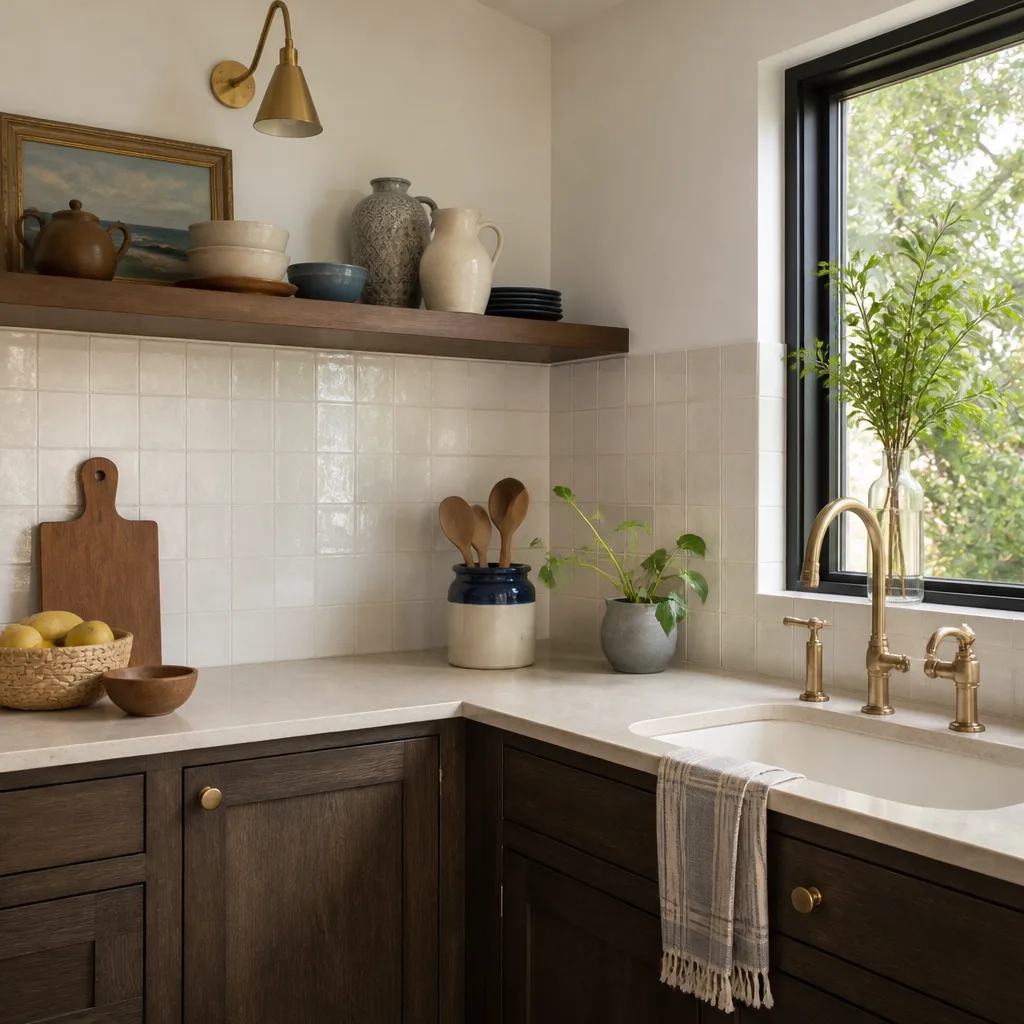
Blanco kitchen remodeling in Austin breaks down like this:
- Full kitchen remodel with Blanco sink and faucet: $14,000 – $45,000
- Blanco faucet cartridge replacement: $180 – $340 installed
- Blanco drain assembly replacement: $140 – $260 installed
- Blanco sink re-polish and re-seal (composite): $220 – $450
- Countertop installation if the sink cutout needs modifying: $2,000 – $6,500
The range on the full remodel mostly comes down to countertop choice and whether the sink base cabinet needs rebuilding. A Blanco composite sink weighs more than stainless, so older particleboard cabinets sometimes need reinforcing before we set it. Every quote we write in Austin includes the part, labor, mounting hardware, and a written line-item breakdown. No change orders, no surprise line at the end. The price you approve is the price on the invoice.
Every Blanco part we install carries the 365-Day Done Right Promise: if it’s not done right, we make it right, in writing, for a full year.
DIY or Call Us?
For a slow drain, you can check the visible stuff: pull the strainer basket, clear the hair or food pack, and run a pot of hot water with a splash of white vinegar through. For a drip from the spout, skip it. Blanco faucets use a proprietary cartridge removal tool on several models, and if you spin the retaining nut without it, you’ll score the brass body and turn a $200 repair into a faucet replacement. The same goes for the high-tension spring on a Culina pull-out neck. That spring is under load, and taking the spout apart without releasing it correctly sends parts flying.
If you can see the model stamp, if you’re losing water pressure, or if the leak is coming from below the counter, call us at (409) 834-4854. We’ll tell you over the phone what it likely is, what it likely costs, and whether we can bring the part on the first visit.
FAQs
A Blanco faucet cartridge typically lasts 7 – 10 years in Austin before it starts dripping, but the hard water in some parts of town can cut that to 5 years. The faucet body and finish usually outlast the cartridge by a wide margin, which is why we recommend replacing the cartridge rather than the whole faucet when the drip starts.
Yes, most Blanco composite sinks can be re-polished and minor chips can be filled with Blanco’s color-matched repair paste. Deep cracks through the bowl are the exception – those need full replacement because the composite material relies on structural continuity and a cracked bowl flexes under weight. Call (409) 834-4854 with a photo and we’ll tell you which side of the line you’re on.
A faucet cartridge swap is usually a 45 – 60 minute job. A drain assembly replacement runs about an hour. A full Blanco sink and faucet install as part of a remodel is typically 1 – 3 days depending on countertop work. We’ll give you a written timeline before we start, and the price doesn’t change at the door.
We stock common Blanco-compatible cartridges, drain assemblies, mounting clips, and repair kits on our trucks, and we can order OEM Blanco parts for next-day arrival when your model needs something specific. Sawyers’ trucks are a rolling parts trailer for the brands we service, including Blanco, KraftMaid, Cambria, and Silestone. If we have to order for your exact model, we’ll tell you before you spend anything. Call (409) 834-4854 for an exact quote – estimates are free.
Written by Luca Romano, Owner, Sawyer Remodel Austin at Sawyer Remodel Austin, serving Austin and nearby areas.


