



Free written scope consultation - allowances, timeline, and change-order rules on paper before a single trade is scheduled
CGI Kitchen Remodeling: The Austin Owner’s Guide
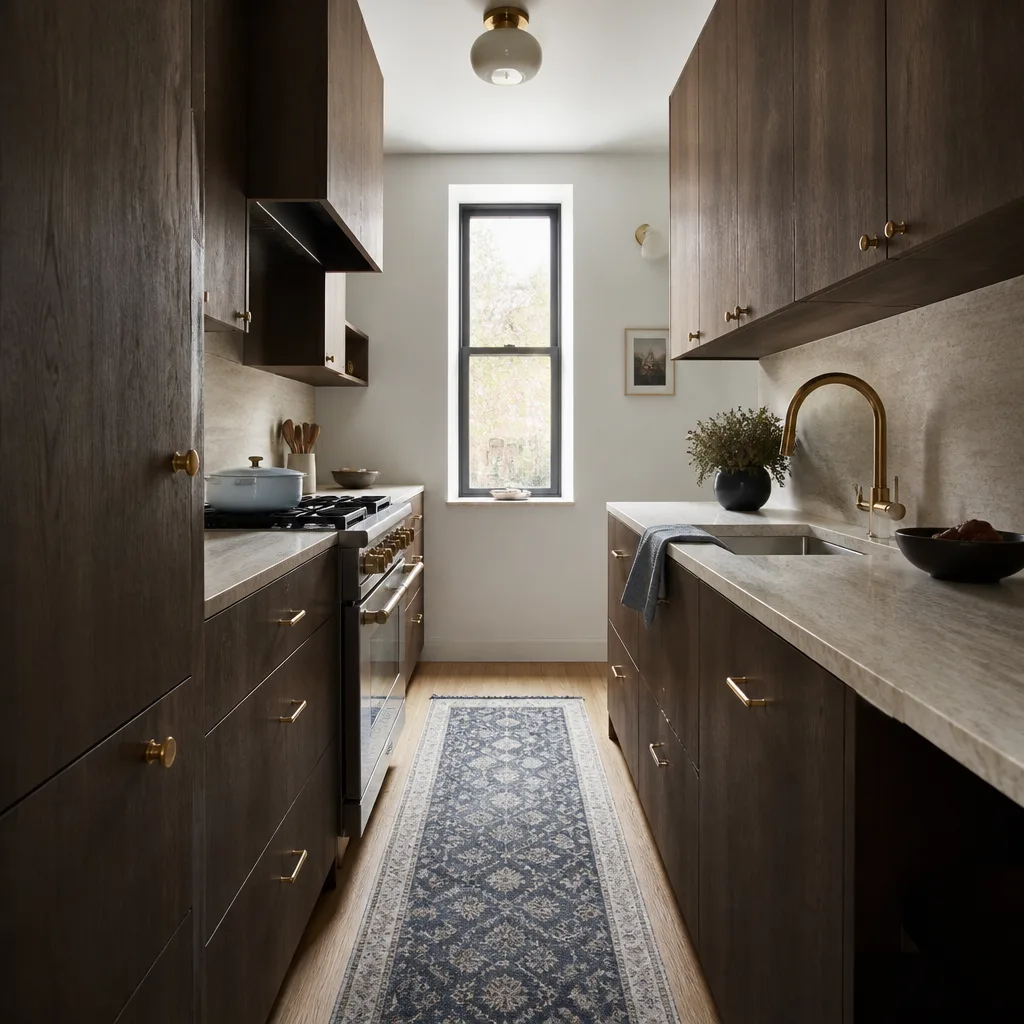
CGI kitchen remodeling in Austin typically runs $14,000 to $45,000 installed, depending on whether you’re replacing a failed component or gutting the whole kitchen. Most owners call us when something specific goes wrong: a cabinet door that won’t sit flush, a countertop seam that’s separated, or hardware that’s stripped and loose after a few years of Texas humidity cycles. If your CGI-part kitchen is showing wear, we can usually match the part, price it in writing, and get it installed without a full remodel.
Quick version: we stock and source CGI-compatible kitchen components, quote the installed price before any work starts, and back the labor with our 365-Day Done Right Promise. Sawyer Remodel Austin is an independent contractor, not affiliated with CGI, but we work with their cabinetry, countertop, and hardware specs regularly across Austin homes.
Which CGI Models This Applies To

CGI’s kitchen line spans several series, and the part you need depends on which one your cabinets came from. Most Austin kitchens we see fall into their standard overlay, full-overlay, or inset lines, and each uses different hinge plates, drawer slides, and door profiles. The quickest way to identify what you have: open a cabinet door and look for a printed label on the hinge side of the face frame or inside the drawer box. CGI stamps a model code there, usually a letter followed by four digits.
Here’s the gotcha: CGI changed drawer-slide mounting positions on their full-overlay line about six years ago. A replacement slide ordered by cabinet width alone won’t fit older boxes because the rear bracket sits 3/8 inch lower on pre-update models. We measure before ordering. For hinges, the cupped hole diameter matters: 35mm on their standard line, 40mm on some inset doors. Get that wrong and the door hangs proud of the frame.
OEM parts from CGI are the safe play for doors and drawer fronts where finish color has to match exactly. For internal hardware like slides, soft-close mechanisms, and shelf pins, we often recommend quality aftermarket equivalents from Blum or Salice that last longer in Austin’s heat. Same function, better longevity, and usually 20 to 30 percent cheaper than OEM. We carry both options and show you the price difference before we order.
Styles & brands we work with







Signs Your CGI Kitchen Remodeling Is Failing
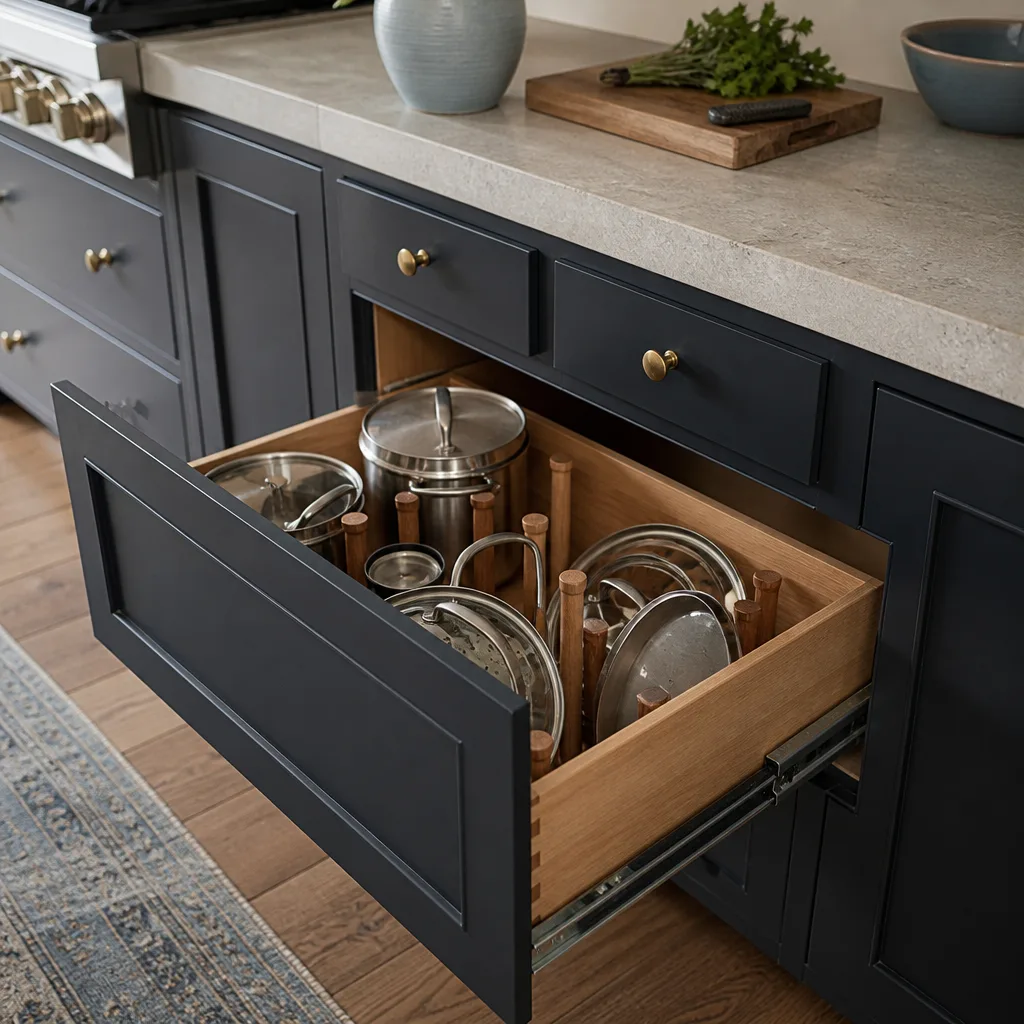
- Drawer slides that stick or sag: The ball-bearing slides CGI uses on standard lines wear unevenly when drawers carry heavy loads for years. The drawer starts to drag, then drops on one side when extended past halfway. The fix is usually a slide swap, and it’s one of the most common CGI parts we replace in Austin.
- Soft-close mechanisms that stopped catching: The little damper cylinder inside the hinge or slide fails from dust and heat exposure. Your door slams instead of feathering shut. It’s a $15 to $30 part, but it has to match your specific CGI hinge series or the door geometry won’t line up.
- Corner cabinet hardware that’s binding: CGI’s lazy Susan and swing-out corner units use a pivot pin that wears into an oval over time. The shelf starts scraping the cabinet floor. We see this a lot in Bouldin Creek kitchens that are 1970s builds with 2000s-era CGI retrofits.
- Countertop seams separating: Austin’s clay soil shifts foundations, and that movement telegraphs straight through to your CGI kitchen. A seam that opens up more than 1/16 inch means the substrate underneath isn’t supported anymore. That’s not a caulk fix; that’s a countertop reset.
- Doors that won’t stay aligned: When the mounting plate screws strip out of the cabinet face frame (common in humid Austin summers), the door sags toward the center and bangs the adjacent door. Retrofitting with a thicker mounting plate or adding thread anchors usually solves it.
Replacement Cost & What’s Included

For a single part replacement like a hinge set or drawer slide, you’re looking at $80 to $250 installed, including the part and labor. A full kitchen remodel with CGI-compatible components runs $14,000 to $45,000 in Austin, depending on cabinet count, countertop material, and whether we’re moving plumbing or electrical.
Here’s the breakdown so you can ballpark your project before you call:
- Cabinet installation: $4,000 to $13,000 (varies by box count and whether we’re assembling or installing pre-built)
- Countertop installation: $2,000 to $6,500 (Cambria or Silestone quartz falls at the higher end)
- Backsplash installation: $800 to $2,500
- Kitchen island installation: $3,000 to $10,000
- Small kitchen remodel: $9,000 to $20,000 (fixtures in place, cosmetic refresh)
Every quote includes the written price before work starts, the labor warranty, and a line-item list so you know exactly what you’re paying for. No change orders unless you add scope, and if something fails within a year, we come back.
See the difference
 Before
 After
After Before
 After
After Before
 After
AfterDIY or Call Us?
Some CGI part swaps are genuinely simple. Adjusting hinge tension with a screwdriver, replacing a shelf pin, or swapping a soft-close damper are all things a careful homeowner can do in ten minutes with no special tools. If you send us a photo of the label on the part, we’ll tell you straight up whether it’s worth doing yourself.
But anything involving drawer slide replacement, countertop seam work, or hardware that’s stripped out of the face frame should be left to someone who does this daily. The risk isn’t just wasted time; it’s a drawer box that gets scratched up when the wrong slide goes in, or a stone countertop that cracks because the support underneath wasn’t right to begin with. We’ve fixed enough DIY attempts in Austin to know when it’s worth calling first. If you’re not sure, call (409) 834-4854 and describe what you’re seeing. We’ll tell you if it’s a $12 fix or a service call.
FAQs
CGI cabinet hardware typically lasts 8 to 15 years in Austin homes, with slides and soft-close mechanisms failing first due to heat and dust buildup. Door hinges last longer, often 20 years or more. Austin’s hot, dry summers accelerate plastic damper wear, which is why we keep those parts stocked on the truck.
Sometimes yes; a stripped hinge screw can be re-anchored, and a misaligned drawer can often be adjusted with new brackets rather than a full slide replacement. But once ball bearings are worn or a soft-close cylinder is seized, the part is done and replacement is the only honest fix. Call (409) 834-4854 and we’ll give you a straight answer after seeing a photo or two.
Most single-part replacements take 45 minutes to two hours on site, assuming the correct replacement is in hand. If we need to order from CGI, expect three to ten business days for delivery. For anything involving a countertop reset or cabinet face replacement, plan for a full day or more.
We stock common CGI hardware on our trucks: Blum and Salice soft-close slides and hinges, 35mm and 40mm hinge plates, corner pivot pins, and mounting hardware. Specialty items like color-matched doors or drawer fronts come from CGI or a matching aftermarket vendor. We also work with KraftMaid, Cambria, and Silestone components when the project mixes brands.
Get Your CGI Part Fixed in Austin
If your CGI kitchen is showing its age, don’t guess at the part number and order the wrong thing. Send us a photo, give us the model code from the label, or just describe what’s happening. We’ll price it, show you the number in writing before we touch anything, and get it installed right. Luca Romano and the Sawyer Remodel Austin crew have been working Austin kitchens for years; we’ll tell you what’s worth fixing and what’s not. Call (409) 834-4854 for a free estimate.
Written by Luca Romano, Owner, Sawyer Remodel Austin, serving Austin and nearby areas.


