



Free written scope consultation - allowances, timeline, and change-order rules on paper before a single trade is scheduled
CWS Kitchen Remodeling: The Austin Owner’s Guide
If your CWS kitchen components are failing, we stock and install compatible replacement parts across Austin with most swaps running $14,000 to $45,000 installed, depending on scope. The typical call starts with a homeowner staring at a delaminating cabinet door, a countertop seam that’s opened up, or soft-close hinges that quit soft-closing months ago. We’re an independent service provider, not affiliated with CWS, but we’ve matched their hardware, hinges, slides, and trim profiles enough times to know exactly what fits and what doesn’t.
Most Austin owners notice the problem in stages. A drawer sticks once, then every time. A door hangs a degree off. A corner joint separates just enough to catch a fingernail. By the time it’s obvious, the underlying failure has usually been progressing for a season or two, often accelerated by our humidity swings. CWS cabinetry and fixtures are solid mid-range work, but the failure points are predictable, and we’ll walk you through what we typically see before we touch a single hinge.
Which CWS Models This Applies To
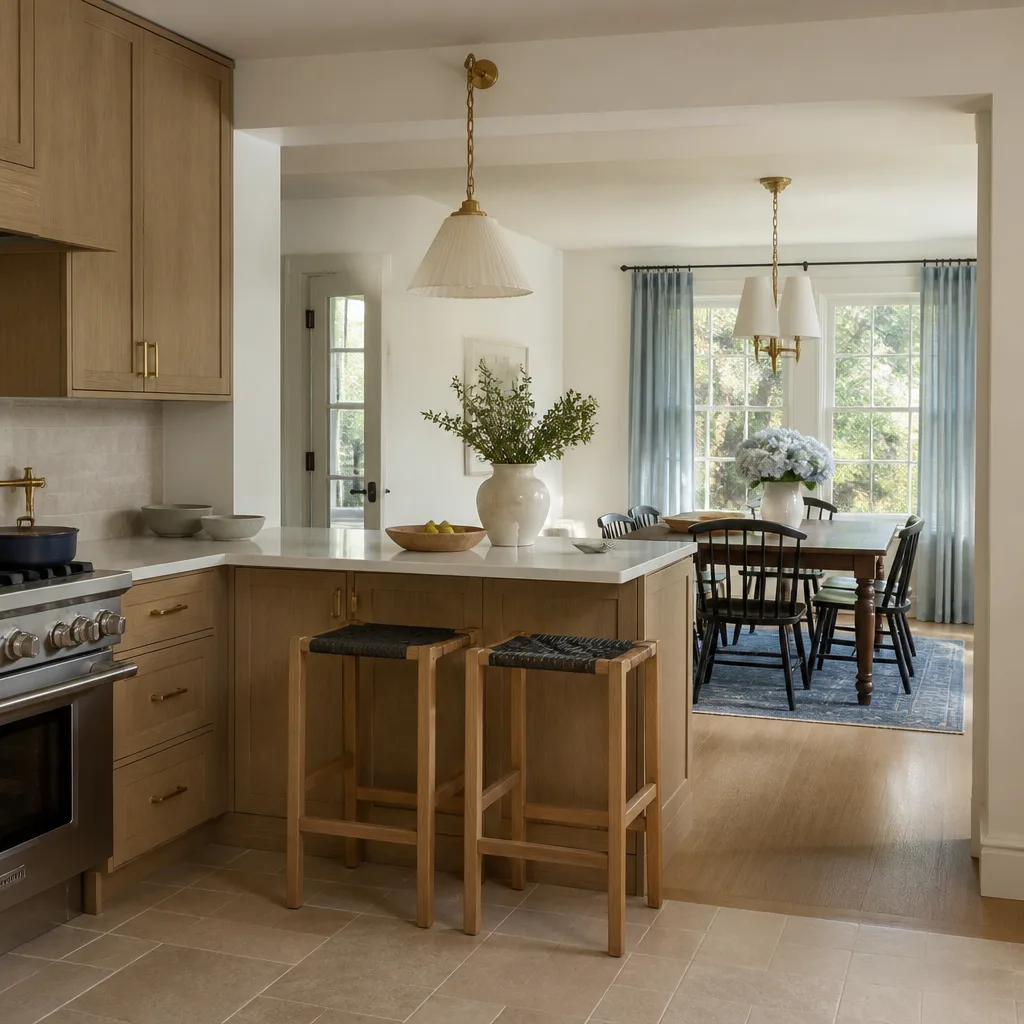
CWS has produced several kitchen cabinet and fixture lines over the years, and compatibility is where most homeowners get burned. The critical identifier is the hinge plate stamping on cabinet doors. CWS used at least three different mounting patterns across their catalog, and a hinge ordered for one series won’t sit flush on another. Pull a single hinge off, look for a stamped number on the back plate, and measure the cup diameter to the millimeter. That’s the difference between a door that closes square and one you’ll fight for the life of the cabinet.
The OEM-versus-aftermarket decision matters more with CWS than with most brands because their older series used metric mounting spacing that generic hardware store replacements don’t cover well. Blum and Salice hinges are solid aftermarket options when the cup diameter and screw pattern match, and for drawer slides we default to Accuride or Grass when OEM rails are discontinued. We’ll tell you honestly when a $12 aftermarket hinge does the job and when you need a $38 CWS-spec part that only a specialty supplier carries.
Door and drawer front profiles are the other gotcha. CWS offered at least four distinct edge profiles across their lines, and a replacement door ordered in the wrong profile will never sit flush with its neighbors. We measure the profile with a contour gauge before ordering anything, because a 3-millimeter mismatch is visible from across the room.
Styles & brands we work with







Signs Your CWS Kitchen Remodeling Is Failing
- Soft-close hinges slamming or drifting. The nylon damper inside the hinge cup wears out, and once it does, the door no longer catches at the end of its travel. CWS doors are heavy enough that a dead damper leads to banged frames and eventually hinge-boss tear-out from the door itself.
- Drawer slides binding on one side only. This almost always points to a separated rail or a failed ball-bearing cage. Austin humidity makes the wood swell and contract, and over time that movement works the rail screws loose. If you ignore it, the slide bends and the drawer starts gouging the cabinet face.
- Laminate lifting at countertop seams or front edges. Heat near the range plus our damp spring months pull laminate loose from the substrate. CWS post-form counters are particularly prone at the front radius, and once moisture gets in, the MDF core swells irreversibly.
- Corner joints opening on cabinet face frames. CWS face frames are glued and pinned, and the glue lines eventually fail under humidity cycling. You’ll see a hairline gap at an inside corner that widens when the AC runs hard in July and tightens again in winter.
- Adjustment screws stripped out on hinges. Once the screw holes in the cabinet carcass are wallowed out, the door sags no matter how many times you adjust it. The real fix is drilling, doweling, and re-tapping those bosses, then mounting fresh plates.
Replacement Cost & What’s Included
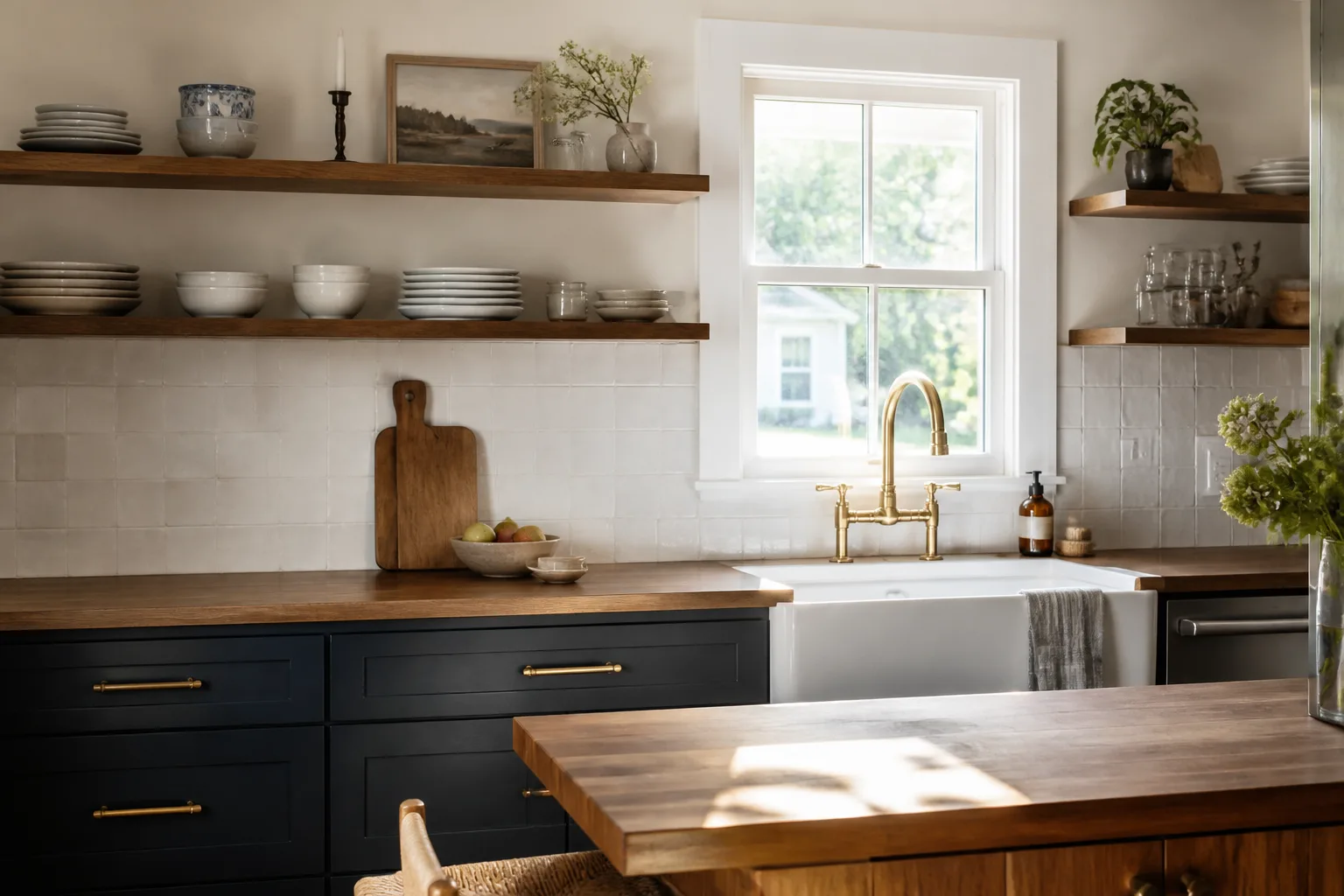
A full CWS kitchen replacement in Austin runs $14,000 to $45,000, and the spread comes down to three things: how many boxes you’re replacing, whether countertops come with it, and what material grade you choose. A partial refresh, new doors and drawer fronts with matched hardware, lands on the lower end. Gutting to drywall, new cabinetry boxes, counters, and electrical touch-ups pushes the top.
| Scope | Typical Austin Installed Price |
|---|---|
| Cabinet hardware and hinge replacement (full kitchen) | $400 – $1,800 |
| Door and drawer front replacement, CWS profile-matched | $3,000 – $9,000 |
| Partial cabinet box replacement plus counters | $9,000 – $20,000 |
| Full kitchen replacement, CWS-style boxes and surfaces | $14,000 – $45,000 |
| Countertop only, current CWS-compatible tops | $2,000 – $6,500 |
Every quote from us is a written, line-item price before we start. No change orders at the end, no surprise material upcharges. If a cabinet box is worse than it looked once opened up, we tell you before cutting anything. The work carries our 365-Day Done Right Promise, a full year of accountability after the job closes.
See the difference
 Before
 After
After Before
 After
After Before
 After
AfterDIY or Call Us?
Cabinet hardware and hinge swaps are genuinely DIY-able if you can identify the series correctly and the carcass is sound. The failures happen when a homeowner orders parts by “looks like the same thing” and discovers the mounting plate doesn’t line up or the door profile isn’t right. Box replacement, laminate repair, and anything involving countertops is not a weekend project, and doing it wrong turns a $400 fix into a $4,000 replacement.
The honest advice, and I’ll say it plainly because that’s how I run my crew: if you know your CWS series and you’re swapping matched hardware, go for it. If there’s any doubt on spec, or the structure behind the part is compromised, call us at (409) 834-4854 and we’ll match the parts right the first time. Free estimates, and I’ll tell you if it’s a job you should take on yourself.
FAQs
Ten to fifteen years is realistic for CWS cabinet boxes in our climate, though the hardware tends to fail between years five and eight. The boxes can go longer if the humidity in your home is controlled, but the hinges and slides follow the same wear curve no matter how careful you are.
Hinges, slides, and hardware can be replaced outright, and that’s usually the better call than repairing them. Cabinet boxes with separated face-frame joints can often be re-glued, clamped, and reinforced with screws from inside the box, which is invisible from the outside. Structural failure in the box itself, especially around the hinge bosses or a split stile, generally means replacement.
Hardware replacement runs one day on site. Door and drawer front replacement takes one to two weeks, much of that waiting on the custom profile-matched order. A full-box kitchen replacement in Austin typically runs three to six weeks depending on countertop fabrication lead times. We’ll give you a schedule before we start and keep you updated with photos throughout the job.
We stock the most common CWS hinge plates, Blum and Salice aftermarket dampers, and standard drawer slides on the truck for same-visit swaps. Oddball series-specific parts get ordered, and we’ll tell you lead times before any deposit changes hands. We also work regularly with KraftMaid, Cambria, and Silestone components, so we keep common hardware for those lines on hand as well.
Call Sawyer Remodel Austin
If you’ve got a CWS kitchen that’s showing its age somewhere between Bouldin Creek and the rest of Austin, the smart move is an honest price on the fix before things get worse. Call (409) 834-4854 and we’ll put a written estimate in your hands, no pressure, no phone tag, and a live person on the line. Measure twice, cut once, then we actually build the thing.
Written by Luca Romano, Owner, Sawyer Remodel Austin at Sawyer Remodel Austin, serving Austin and nearby areas.


